
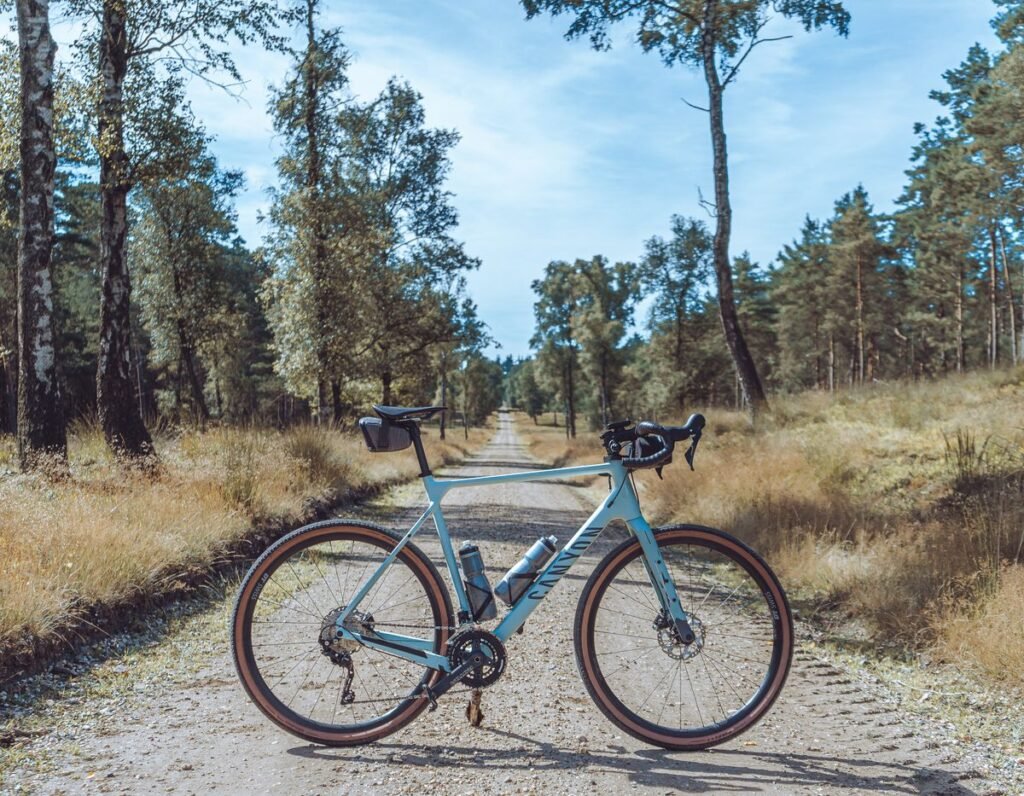
Quick answer: Our top pick in this guide to the best gravel bike tires (2026) is the Panaracer GravelKing SK at $50 (overall). The runner-up is the Schwalbe G-One Allround at $55. The table below compares all picks by price and who each is best for.
The best gravel bike tires decide where your bike can go: fast enough for pavement, tough enough for washboard, and grippy enough for loose corners. Tread choice matters more here than in any other discipline because gravel means something different in Kansas than in Oregon. We compared the proven treads from file-pattern speed to mud-ready knobs to match tires to real riding.
Disclosure: This article contains links to products on Amazon. If you buy through these links, we may earn a small commission at no extra cost to you.
Related guide: gravel bike vs mountain bike.
Quick picks
| Tire | Best for | Tread | Price (approx.) |
|---|---|---|---|
| Panaracer GravelKing SK | Overall | Small block | $50 |
| Schwalbe G-One Allround | Mixed surfaces | Micro knob | $55 |
| WTB Riddler | Fast and dry | Low center, side bite | $45 |
| Maxxis Rambler | Racing | Tightly packed center | $55 |
| Continental Terra Trail | Loose and wet | Open block | $50 |
| Pirelli Cinturato Gravel | Durability | Mixed terrain | $55 |
1. Panaracer GravelKing SK — best overall
The GravelKing SK is the tire that defined the category: a small-block tread that rolls fast on pavement and hardpack, hooks up reliably in loose gravel, and comes in every size and sidewall color you could want. Japanese build quality keeps weight and consistency excellent.
Check price on Amazon (about $50)
- Pros: genuinely fast on-road; confident off-road; huge size range; supple casing options.
- Cons: not a mud tire; thin sidewalls on light versions need care in rocks.
Specs: ZSG gravel compound; tubeless-ready; 26-50 mm widths in 700c and 650b; folding bead.
2. Schwalbe G-One Allround — best for mixed surfaces
The G-One Allround’s micro-knob tread is the quiver-killer: quiet and quick on tarmac, surprisingly capable on dirt and gravel, and available in Schwalbe’s excellent Addix compounds. If one tire must do road rides and weekend gravel, this is it.
Check price on Amazon (about $55)
- Pros: superb on-off road balance; supple ride; reliable tubeless setup; reflective sidewall options.
- Cons: less bite than blockier treads in loose corners; wears faster on pavement than slicks.
Specs: Addix Speedgrip; tubeless-easy; 35-45 mm in 700c and 650b; Super Ground casing.
3. WTB Riddler — best for fast, dry courses
The Riddler pairs a low, fast center tread with aggressive side knobs that appear exactly when you lean the bike. On dry, hardpack gravel races it is one of the fastest tires that still corners with confidence.
Check price on Amazon (about $45)
- Pros: very fast rolling; strong cornering bite; good value; light casing option.
- Cons: limited wet traction; side knobs wear on pavement-heavy use.
Specs: dual-compound rubber; TCS tubeless; 37 and 45 mm; Light Fast Rolling casing.
4. Maxxis Rambler — best for racing
The Rambler is Maxxis’s gravel race answer: tightly packed center knobs for speed, EXO sidewall protection for sharp flint, and the brand’s proven tubeless sealing. For race day on typical US gravel, it is a podium-regular.
Check price on Amazon (about $55)
- Pros: race-fast; tough EXO sidewalls; excellent tubeless reliability; predictable handling.
- Cons: firm ride compared to supple casings; not for mud.
Specs: dual compound; EXO protection; tubeless-ready; 38-50 mm in 700c and 650b.
5. Continental Terra Trail — best for loose and wet
The Terra Trail brings Continental’s BlackChili grip to gravel with a more open block tread that digs into loose climbs and clears wet conditions. For Pacific Northwest gravel or sloppy spring rides, it out-grips faster treads.
Check price on Amazon (about $50)
- Pros: excellent loose and wet grip; BlackChili compound; strong ProTection casing.
- Cons: slower on pavement; hums at speed on tarmac.
Specs: BlackChili compound; ProTection casing; tubeless-ready; 40 and 45 mm.
6. Pirelli Cinturato Gravel — most durable
Pirelli’s Cinturato Gravel uses a reinforced structure inspired by its rally tires: a tougher casing and tear-resistant compound that survive sharp rock seasons longer than most. It trades a little suppleness for real durability.
Check price on Amazon (about $55)
- Pros: outstanding cut resistance; long tread life; stable at low pressure.
- Cons: firmer ride; heavier than race options.
Specs: SpeedGRIP compound; TechWALL reinforced casing; tubeless-ready; 35-45 mm.
How we chose
We picked treads with proven records across the conditions gravel riders actually face, all tubeless-ready and stocked in the US, spanning fast file patterns to open mud-capable blocks. Every tire here has a casing tough enough for flint and a compound matched to its intended surface.
Matching tread to your gravel
Dry, smooth gravel rewards low, tightly packed tread like the Riddler or Rambler. Chunky, loose or wet routes want open blocks like the Terra Trail. Width matters too: 38-40 mm for racing, 45-50 mm for rough bikepacking. Check frame clearance with the actual tire, since labeled sizes vary, and run tubeless at 30-40 psi for most riders.
Setting up gravel tires tubeless
Tubeless is nearly mandatory for gravel: lower pressures smooth washboard, and sealant fixes the thorn and flint punctures that end rides. Use 60-90 ml of sealant per tire, seat beads with a booster pump or compressor, and refresh sealant every three months since it dries faster at low pressures. Carry a tube anyway for sidewall cuts, plus a plug kit for larger punctures sealant cannot close. Pressure tuning matters more on gravel than anywhere: start around 35 psi for 40 mm tires at average rider weight and adjust two psi at a time until rim strikes stop but the ride stays composed.
Related guides: Continental bike tires, gravel handlebars, gravel bikes under $2,000, gravel bike shoes.
FAQ
700c or 650b for gravel?
700c rolls faster and suits most riders. 650b allows wider tires in small frames and adds cushion for loaded bikepacking. Many frames accept both; match the wheelset you own.
How long do gravel tires last?
Expect 2,000-4,000 miles depending on surface and compound. Flint and pavement wear tread fastest. Replace when side knobs round off or cuts expose casing.
Can I use gravel tires on the road?
Yes, especially low-tread options like the G-One Allround. Expect a small speed penalty versus road slicks and some tread hum above 20 mph.
Related guides
Road riders should see the best road bike tires and MTB riders the best mountain bike tires. Mount them with the best bike tire levers and CO2 inflators and carry spares in the best bike frame bags.