
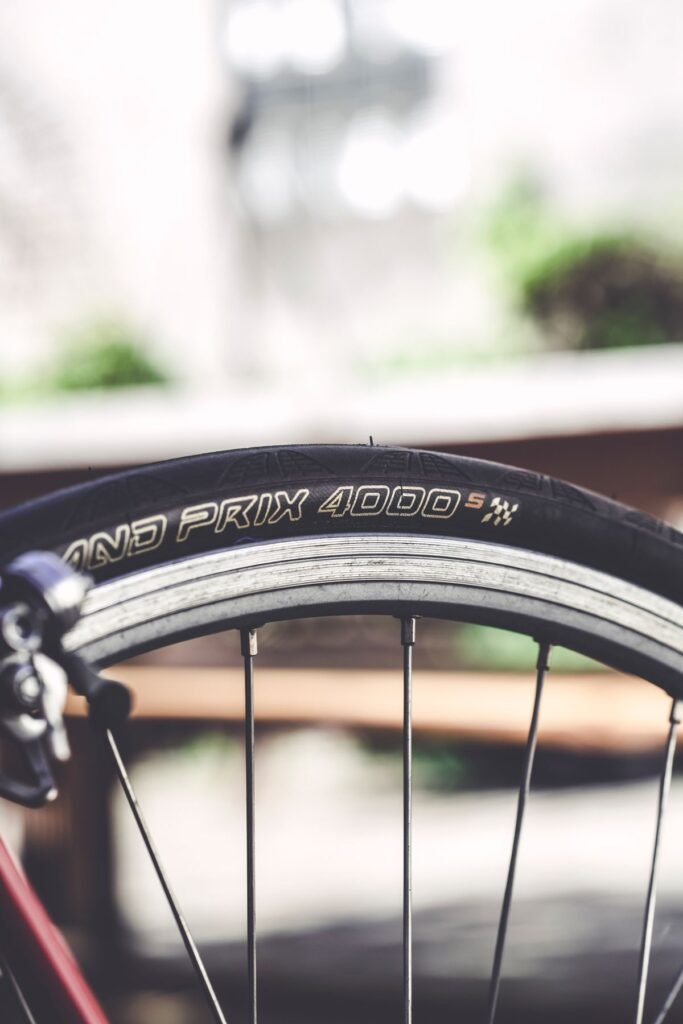
Quick answer: Our top pick in this guide to the best road bike tires for speed and durability (2026) is the Continental Grand Prix 5000 at $80 (overall). The runner-up is the Continental Gatorskin at $45. The table below compares all picks by price and who each is best for.
The best road bike tires change how your bike rides more than any other upgrade for the money: less rolling resistance, more grip in corners, and fewer flats. Whether you race, train through winter, or just want a faster Sunday loop, there is a proven tire for the job. We compared the benchmark race tires and the durable workhorses to find the ones worth mounting.
Disclosure: This article contains links to products on Amazon. If you buy through these links, we may earn a small commission at no extra cost to you.
Related guide: bike tire pressure guide.
Quick picks
| Tire | Best for | Type | Price (approx.) |
|---|---|---|---|
| Continental Grand Prix 5000 | Overall | Race clincher/TLR | $80 |
| Continental Gatorskin | Durability | Training clincher | $45 |
| Pirelli P Zero Road | All-round performance | Clincher/TLR | $70 |
| Schwalbe Pro One | Tubeless speed | Tubeless | $75 |
| Vittoria Rubino Pro | Value | Clincher | $40 |
| Michelin Power Cup | Grip | Clincher/TLR | $60 |
1. Continental Grand Prix 5000 — best overall
The GP 5000 is the reference road tire: fast enough for WorldTour racing, durable enough for daily training, and grippy in wet corners. Rolling resistance tests consistently put it at or near the top, and the BlackChili compound balances speed with real-world mileage.
Check price on Amazon (about $80)
- Pros: class-leading speed and grip; long wear for a race tire; available in clincher and tubeless; huge size range.
- Cons: premium price; tight first install on some rims.
Specs: BlackChili compound; Vectran puncture layer; 23-32 mm widths; folding and tubeless versions.
2. Continental Gatorskin — best durability
The Gatorskin is the tire commuters and winter riders swear by: a tough PolyX Breaker layer and a wear-resistant tread that shrugs off glass, grit and bad shoulders. It is not the fastest, but it might be the last tire you think about for a year.
Check price on Amazon (about $45)
- Pros: outstanding flat protection; very long life; fair price; available in many sizes including 32 mm.
- Cons: noticeably slower than race tires; firm ride feel.
Specs: PolyX Breaker puncture protection; durable compound; 23-32 mm; folding and wire bead options.
3. Pirelli P Zero Road — best all-round performance
Pirelli’s P Zero Road sits between the GP 5000’s race focus and the Gatorskin’s armor: quick, supple and confidence-inspiring, with sensible puncture protection for everyday riding. A strong pick if one bike does everything.
Check price on Amazon (about $70)
- Pros: balanced speed and durability; supple ride quality; good wet grip.
- Cons: slightly heavier than pure race tires; fewer size options.
Specs: EVO compound; TechBELT casing; 24-32 mm; tube and tubeless-ready versions.
4. Schwalbe Pro One — best tubeless speed
If you are committed to road tubeless, the Pro One is the benchmark: very low rolling resistance, excellent sealant compatibility and a supple feel that rivals latex tubes. It rewards the setup effort with genuine speed and comfort.
Check price on Amazon (about $75)
- Pros: among the fastest tubeless tires made; plush ride; reliable sealing.
- Cons: tubeless setup needs care and sealant; tread wears faster than training tires.
Specs: Addix Race compound; tubeless-easy; 25-32 mm; folding bead.
5. Vittoria Rubino Pro — best value
The Rubino Pro delivers most of the speed of premium tires at half the price, with a Graphene-enhanced compound and respectable puncture protection. It is the smart pick for training wheels and second bikes.
Check price on Amazon (about $40)
- Pros: excellent price-to-performance; light for the cost; proven compound.
- Cons: not as supple as top-tier tires; wire-bead versions are heavy.
Specs: Graphene 2.0 compound; nylon casing; 23-30 mm; folding and wire options.
6. Michelin Power Cup — best grip
Michelin’s Power Cup borrows compound tech from MotoGP and it shows in corners: the shoulder grip on dry and damp roads is outstanding. Rolling resistance is close to the class leaders, making it a real race-day option.
Check price on Amazon (about $60)
- Pros: superb cornering grip; competitive speed; tubeless-ready options.
- Cons: tread life is average; limited wide sizes.
Specs: MotoGP-derived compound; 3×120 TPI casing; 23-28 mm; clincher and TLR.
How we chose
We prioritized tires with independent rolling-resistance data, proven puncture protection and wide US availability. Every tire here comes from a major brand with consistent quality control, and the list spans race-day speed to four-season durability so you can match the tire to your actual riding.
Road tire buying basics
Width matters more than brand for comfort: most riders are faster and happier on 28 mm than 23 mm at sensible pressures. Tubeless saves you from pinch flats and lets you run lower pressure, but needs compatible rims and sealant. Check your frame clearance before going wide, and replace tires when the tread shows cuts or the casing threads peek through.
Getting pressure and installation right
Pressure is free speed: too hard and the tire bounces over rough tarmac, too soft and you risk pinch flats and squirmy corners. For most 70-85 kg riders on 28 mm tires, 60-75 psi is the modern sweet spot, lower for tubeless. Use a gauge rather than thumb feel, and adjust for your weight and road surface. When installing, seat the bead in the rim’s center channel all the way around before the final push, and check both bead lines are even before inflating to full pressure. A new tire can feel sluggish for the first fifty miles until the mold-release compound wears off, so give fresh rubber a short break-in before judging it.
When to replace a road tire
Replace a tire when the center tread flattens, cuts keep appearing, the casing shows through, or flats suddenly become frequent. Continental tires include small wear dimples in the tread; when they vanish, the tire is done. Storing a bike hung up or with tires off concrete extends life, and UV ages rubber faster than miles do.
Related guides: Continental bike tires, trainer tires.
FAQ
How long do road bike tires last?
Expect 2,000-4,000 miles from a race tire and up to 6,000 from a durable training tire like the Gatorskin. Rear tires wear roughly twice as fast as fronts, so rotate or replace the rear first.
Are wider tires slower?
No. At the same pressure wider tires roll slightly worse, but at their correct lower pressures a 28 mm tire usually matches or beats a narrow one, with far more comfort and grip.
Tubeless or tubes for road riding?
Tubeless wins on flat protection and ride feel if your rims support it. Tubes remain simpler to set up and cheaper to start. Many riders run tubeless in summer and tubes in winter.
Do expensive tires really make a difference?
Yes, and it is measurable. The gap between a budget tire and a GP 5000 can be 10-15 watts per tire at typical speeds, which is more than many aero upgrades costing ten times as much.
Should front and rear tires match?
Matching is simplest, but some riders run a grippier tire up front and a tougher one at the rear, where wear and flats concentrate. Keep the same width or go slightly wider at the front.
Related guides
Keep new tires seated with tools from our guide to the best bike tire levers and CO2 inflators, and inflate precisely with one of the best bike pumps. Off-road riders should see the best mountain bike tires, and everyone benefits from tracking wear with the best bike computers.