
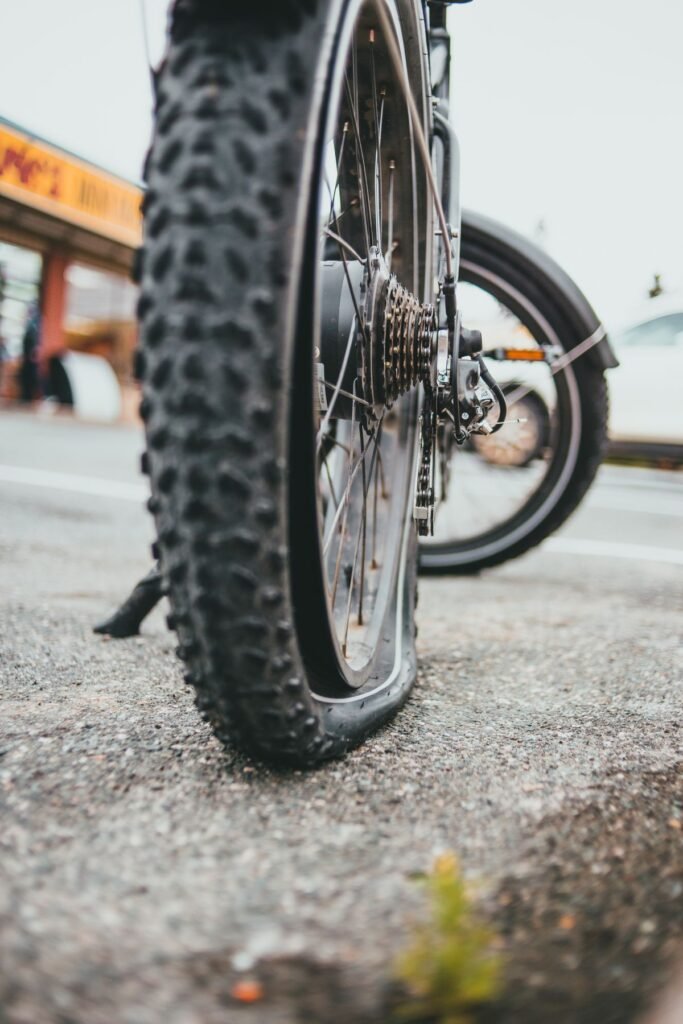
Quick answer: Our top pick in this guide to the best bike tubes (2026) is the Continental 700c Tube at $8 (overall). The runner-up is the Schwalbe SV15 at $9. The table below compares all picks by price and who each is best for.
The best bike tubes are the ones you never think about: they hold air for weeks, survive installation without pinch flats and weigh little enough to forget in your jersey pocket. Every rider needs spares, and choosing the right size, valve and material matters more than brand loyalty. We compared the proven options for road, gravel and mountain bikes to find the tubes worth stocking.
Disclosure: This article contains links to products on Amazon. If you buy through these links, we may earn a small commission at no extra cost to you.
Related guide: how to fix a flat bike tire.
Related guide: how to measure bike wheel size.
Quick picks
| Tube | Best for | Size / valve | Price (approx.) |
|---|---|---|---|
| Continental 700c Tube | Overall | 700×32-42, 60mm Presta | $8 |
| Schwalbe SV15 | Road | 700×18-28, Presta | $9 |
| Continental Supersonic | Lightweight | 700×18-25, 60mm Presta | $15 |
| Slime Self-Sealing Tube | Puncture protection | 700×28-35, Presta | $12 |
| Kenda 29er Tube | Mountain bike | 29×1.9-2.3, Presta | $8 |
| Michelin Airstop A2 | Value | 700×25-32, 40mm Presta | $10 |
1. Continental 700c Tube — best overall
Continental’s standard butyl tube is the benchmark: consistent rubber thickness, a molded valve that survives pump heads, and air retention measured in weeks rather than days. The 32-42mm width covers road-plus, gravel and hybrid tires, and the 60mm Presta valve clears most mid-depth rims without an extender.
Check price on Amazon (about $8)
- Pros: reliable quality control; holds air for weeks; wide size range; valve cores are removable for sealant.
- Cons: not the lightest; single tube per box at some sellers.
Specs: butyl rubber; 700×32-42mm; 60mm Presta valve; removable core.
2. Schwalbe SV15 — best road
The SV15 is the classic road tube: Schwalbe’s butyl holds pressure measurably longer than most rivals, the rubber is uniform so it installs without twist-prone thin spots, and the 18-28mm range covers every modern road tire. If you ride 25 or 28mm rubber, this is the default spare.
Check price on Amazon (about $9)
- Pros: excellent air retention; consistent wall thickness; proven reliability; widely stocked.
- Cons: standard weight only; valve length options vary by listing.
Specs: butyl rubber; 700×18-28mm; Presta valve; about 105 g.
3. Continental Supersonic — best lightweight
The Supersonic shaves a standard road tube down to about 50 grams of thin butyl. On the wheel that rotating weight saving is subtle but real, and as a carried spare it packs to half the size. Treat it gently at install: thin walls pinch and puncture more easily than standard tubes.
Check price on Amazon (about $15)
- Pros: roughly half the weight and pack size of a standard tube; supple ride feel; quality Continental rubber.
- Cons: easier to pinch flat on installation; needs daily pressure checks; fragile as a long-term tube.
Specs: lightweight butyl; 700×18-25mm; 60mm Presta; about 50 g.
4. Slime Self-Sealing Tube — best puncture protection
Slime’s tube arrives pre-filled with sealant that plugs thorn and wire punctures up to about 3mm as they happen. For commuters, city riders and anyone crossing goathead country, it converts most ride-ending flats into non-events. The sealant adds weight and can clog valve cores, so carry a core tool.
Check price on Amazon (about $12)
- Pros: seals most small punctures instantly; huge time-saver for commuters; works for months before drying out.
- Cons: heavier than plain butyl; sealant can clog valves; no help against cuts or pinch flats.
Specs: butyl tube with pre-filled sealant; 700×28-35mm; Presta valve.
5. Kenda 29er Tube — best mountain bike
Kenda makes tubes for half the industry under other labels, and the house-brand 29er tube is the value workhorse: correct butyl thickness for trail use, a proper 48mm Presta valve for deeper MTB rims, and sizing that spans 1.9 to 2.3-inch tires. Stock two; at this price there is no reason to ride without a spare.
Check price on Amazon (about $8)
- Pros: unbeatable price; durable butyl; wide size coverage; 48mm valve fits most MTB rims.
- Cons: basic packaging; heavier than racing tubes.
Specs: butyl rubber; 29×1.9-2.3in; 48mm Presta valve.
6. Michelin Airstop A2 — best value
The Airstop A2 uses Michelin’s AirStop butyl, a compound known for holding pressure noticeably longer than generic tubes, in the versatile 25-32mm road and light-gravel width. It is the sensible middle ground: better rubber than budget tubes, priced well below the exotics.
Check price on Amazon (about $10)
- Pros: excellent air retention; versatile 25-32mm width; trusted compound; fair price.
- Cons: 40mm valve too short for deep aero rims; single width range.
Specs: AirStop butyl; 700×25-32mm; 40mm Presta valve.
How we chose
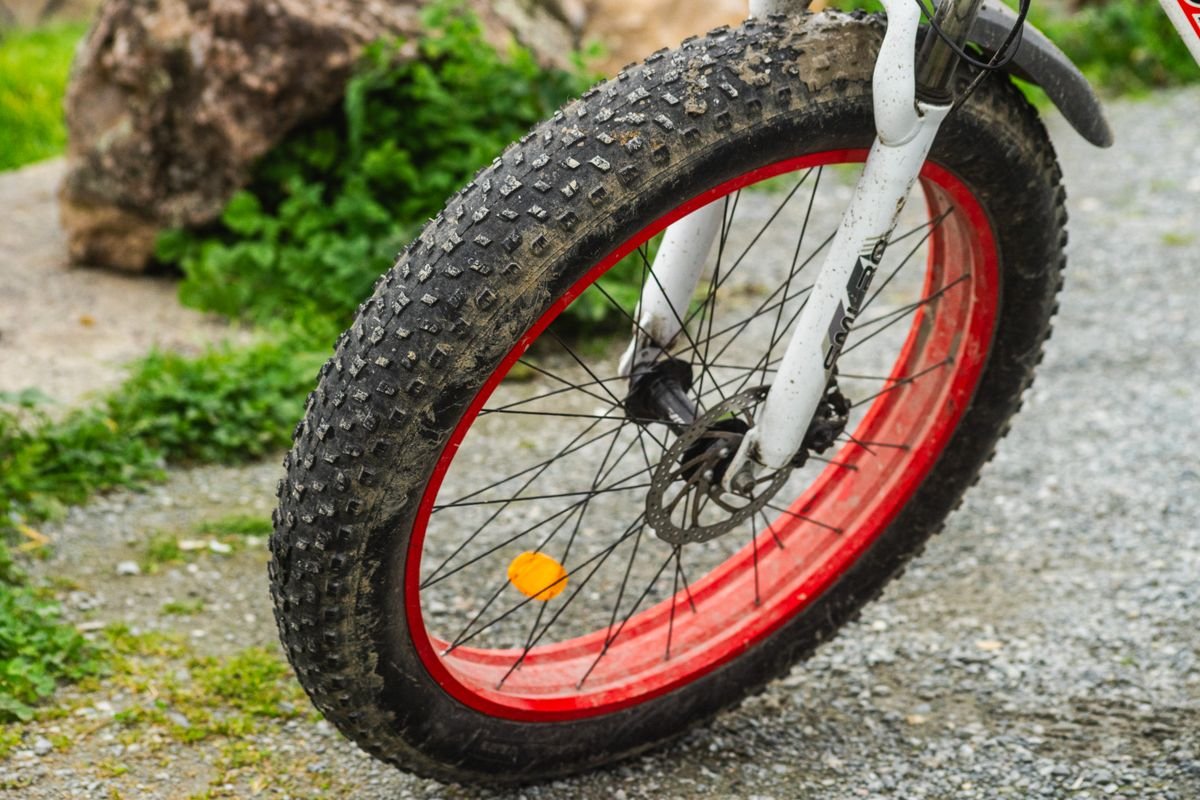
We prioritized air retention and rubber consistency first, since a tube that loses 10 psi overnight or splits at a thin seam fails its one job. Valve quality came next, then honest size ranges, weight for the performance picks and value. Every tube here is from a maker with years of consistent production.
Getting size and valve right
Match the tube’s width range to your tire: a 700×28 tire wants a tube covering 28mm, and running a too-narrow tube stretched thin invites punctures. Presta valves fit road and most performance wheels; Schrader fits car-style rims. For rims deeper than about 40mm, choose a 60mm or 80mm valve, or carry an extender. Keep one spare per bike plus one in your ride kit.
Butyl, latex or TPU?
Butyl is the default: cheap, tough, holds air. Latex is lighter and more supple for racing but loses pressure daily and costs three times more. TPU tubes are the newest option: featherweight and tiny in a pocket, but pricey and heat-sensitive at the valve. For most riders, quality butyl plus one lightweight spare is the right mix.
Related guides: bike rim tape, kids bike inner tubes, valve adapters.
FAQ
How long should a tube last?
Years, if unpunctured. Rubber ages slowly in the dark: a tube in a box stays good for a decade. Replace when the rubber feels gummy, the valve leaks, or after any patch near the valve stem.
Can I use a Presta tube in a Schrader rim?
Yes in a pinch, but the oversized hole lets the valve tear under pressure. A rubber grommet or valve adapter makes it safer. Never force a Schrader valve through a Presta hole.
Are self-sealing tubes worth it?
For commuting and thorn-prone areas, absolutely: they prevent most roadside stops. For performance road riding, the weight and valve-clogging risk make a standard tube plus a plug kit the better choice.
Related guides
Carry your spares with the best bike tool rolls, fix flats with the best bike tire levers and the best bike multi-tools, and keep the drivetrain happy with the best bike chain cleaners.