

Quick answer: Our top pick in this guide to the best cycling balaclavas (2026) is the GORE WEAR Windproof Balaclava at $45 (overall). The runner-up is the PEARL iZUMi AmFIB Lite at $45. The table below compares all picks by price and who each is best for.
The best cycling balaclavas turn miserable winter rides into comfortable ones by sealing your head, ears, neck and face against wind chill in a single layer that still fits under a helmet. A good one breathes on the climbs, blocks wind on the descents and pulls down easily at stops. We compared the proven options across windproof, thermal and budget weights to find the ones worth riding in all winter.
Disclosure: This article contains links to products on Amazon. If you buy through these links, we may earn a small commission at no extra cost to you.
Quick picks
| Balaclava | Best for | Fabric | Price (approx.) |
|---|---|---|---|
| GORE WEAR Windproof Balaclava | Overall | Gore Windstopper | $45 |
| PEARL iZUMi AmFIB Lite | Deep cold | AmFIB softshell | $45 |
| PEARL iZUMi Transfer | Mild winters | Transfer wicking knit | $35 |
| PEARL iZUMi Thermal | Value thermal | Thermal fleece | $30 |
| Endura Multitube | Versatility | Stretch knit tube | $20 |
| SAHOO Thermal | Budget | Fleece-lined | $15 |
1. GORE WEAR Unisex Windproof Balaclava — best overall
The GORE WEAR balaclava uses genuine Windstopper fabric across the face, head and neck: wind chill simply stops at the surface while the breathable back panels dump heat on climbs. The face opening converts between full coverage, exposed face and neck-gaiter modes, and the flat seams disappear under a helmet. For rides below freezing, nothing here beats it.
Check price on Amazon (about $45)
- Pros: true windproof membrane; convertible face opening; breathes well; helmet-friendly flat seams.
- Cons: premium price; one size runs snug on larger heads.
Specs: Gore Windstopper softshell; convertible opening; flatlock seams; one size.
2. PEARL iZUMi AmFIB Lite Balaclava — best deep cold
The AmFIB Lite pairs Pearl iZUMi’s windproof softshell over the face and front with a thermal knit everywhere else, giving near-full-face protection that still breathes. It is the warmest option here and the one for base miles in the 20s F, winter commuting and fat-bike days.
Check price on Amazon (about $45)
- Pros: very warm; windproof face panel; excellent neck coverage; durable construction.
- Cons: too warm above freezing; thicker at the neck under tight collars.
Specs: AmFIB windproof softshell front; thermal knit back; one size; machine washable.
3. PEARL iZUMi Transfer Balaclava — best mild winters
The Transfer Balaclava is the shoulder-season pick: a single layer of fast-wicking Transfer fabric that takes the edge off 40s and 50s F mornings without overheating you by mile ten. It pulls on like a second skin, fits under any helmet and stashes in a pocket once the sun is up.
Check price on Amazon (about $35)
- Pros: superb moisture transfer; barely-there feel under a helmet; wide comfort range; packs tiny.
- Cons: not windproof, so fast descents chill the face; light insulation only.
Specs: Transfer wicking fabric; full head and neck coverage; one size.
4. PEARL iZUMi Thermal Balaclava — best value thermal
The Thermal Balaclava adds a brushed fleece interior to the classic pattern: noticeably warmer than the Transfer, cheaper than the windproof options, and still breathable enough for steady efforts. For most riders’ winters it is the sweet spot of warmth, comfort and price.
Check price on Amazon (about $30)
- Pros: warm brushed fleece; comfortable against skin; good neck length; fair price.
- Cons: no windproof membrane; face opening not convertible.
Specs: thermal fleece knit; ergonomic fit; one size; machine washable.
5. Endura Cycling Multitube — best versatility
Not a full balaclava, but the most versatile piece here: a seamless stretch tube that works as a neck gaiter, face mask, headband or under-helmet cap depending on how you fold it. For riders who run warm or want one accessory for three seasons, the Multitube covers it.
Check price on Amazon (about $20)
- Pros: five ways to wear it; light and packable; quick drying; cheap.
- Cons: no full-head warmth in one configuration; thinner than true winter balaclavas.
Specs: seamless stretch knit tube; moisture wicking; one size.
6. SAHOO Thermal Balaclava — best budget
The SAHOO delivers fleece-lined warmth with a windproof face panel at a third of the brand-name price. The fit is less refined and the seams thicker than the premium options, but for winter commuting and occasional cold rides it does the job.
Check price on Amazon (about $15)
- Pros: very cheap; warm fleece lining; windproof front; full face and neck coverage.
- Cons: bulkier seams under a helmet; less breathable on hard efforts.
Specs: fleece-lined thermal knit; windproof face panel; one size.
How we chose
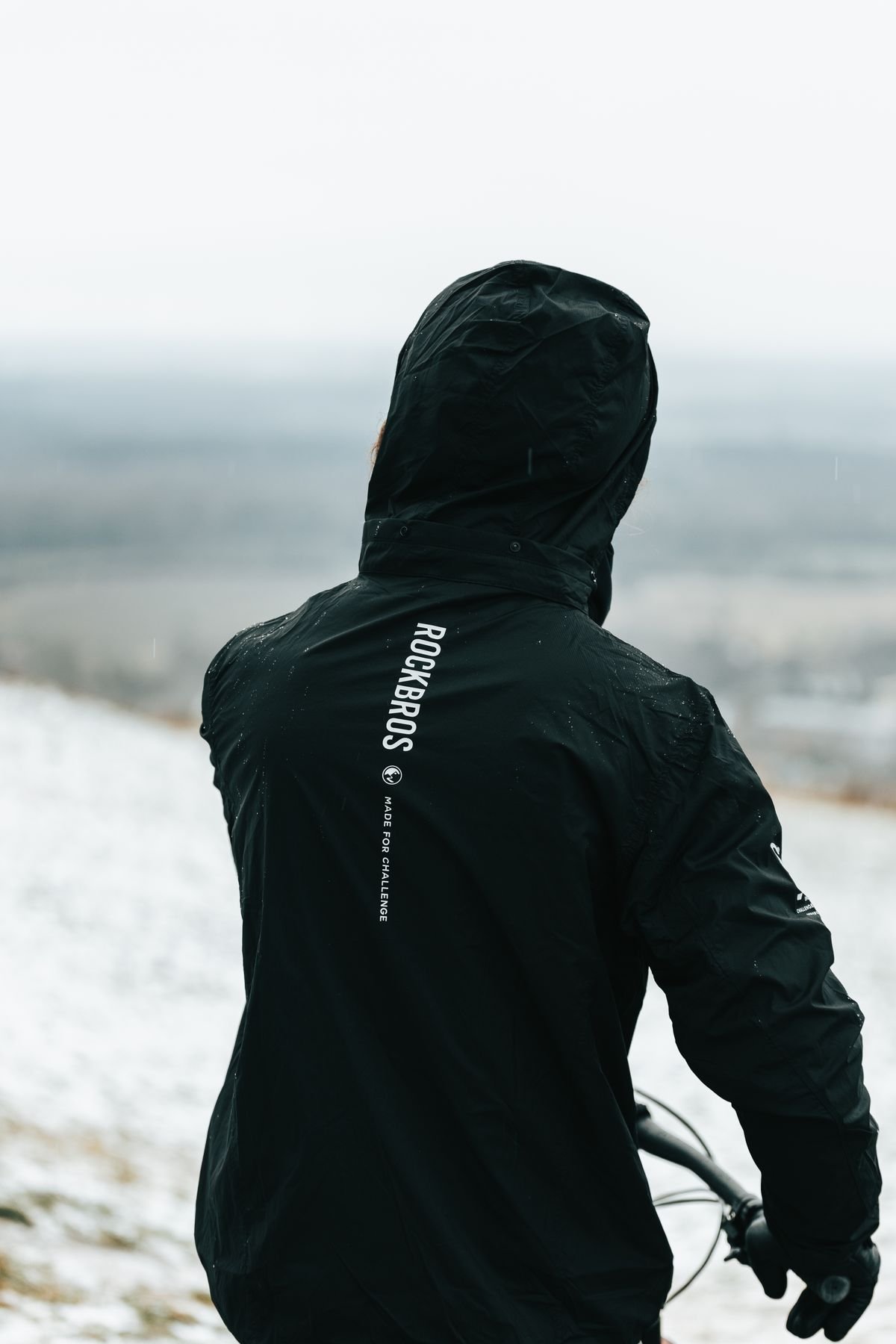
We prioritized under-helmet fit first: seams and fabric must sit flat with no pressure points. Wind protection came next, since wind chill is what ends winter rides, then breathability for climbing, convertible coverage for temperature swings and wash durability. Every option here has a long record with road, gravel and commuter riders.
Balaclava or skull cap plus neck gaiter?
A balaclava is one piece, so nothing gaps at the neck and nothing shifts as you ride. Separate pieces give more flexibility on changing days: drop the gaiter when you warm up, keep the cap. Below about 35 F a balaclava wins on simplicity and seal; in changeable weather, separates adapt better.
Fit and glasses
The face opening should seal around your cheeks without pressing on your nose, and the fabric must not funnel breath upward into your glasses. If fogging is a problem, look for openings with a structured nose bridge or wear the face panel under the chin on climbs. Wash after every couple of rides; face fabrics load up with salt and sunscreen fast.
Related guide: our cycling neck gaiters guide.
FAQ
Will a balaclava fit under my helmet?
Yes, every option here is designed as an under-helmet layer with flat seams. If your helmet already fits tightly, choose the thinnest fabric and avoid doubled panels over the crown.
How do I stop my glasses fogging with a balaclava?
Fogging means breath is escaping upward. Tuck the top edge of the face panel under your nose, not over it, or pick a balaclava with a nose bridge. Anti-fog treatments on the lenses help too.
What temperature calls for a balaclava?
Most riders add one below about 40 F and switch to a windproof version below freezing. Above 50 F a skull cap alone is usually enough, since a balaclava is hard to vent on climbs.
Related guides
Complete the winter kit with the best cycling skull caps, the best cycling knee warmers, the best winter cycling gloves and the best cycling shoe covers.