
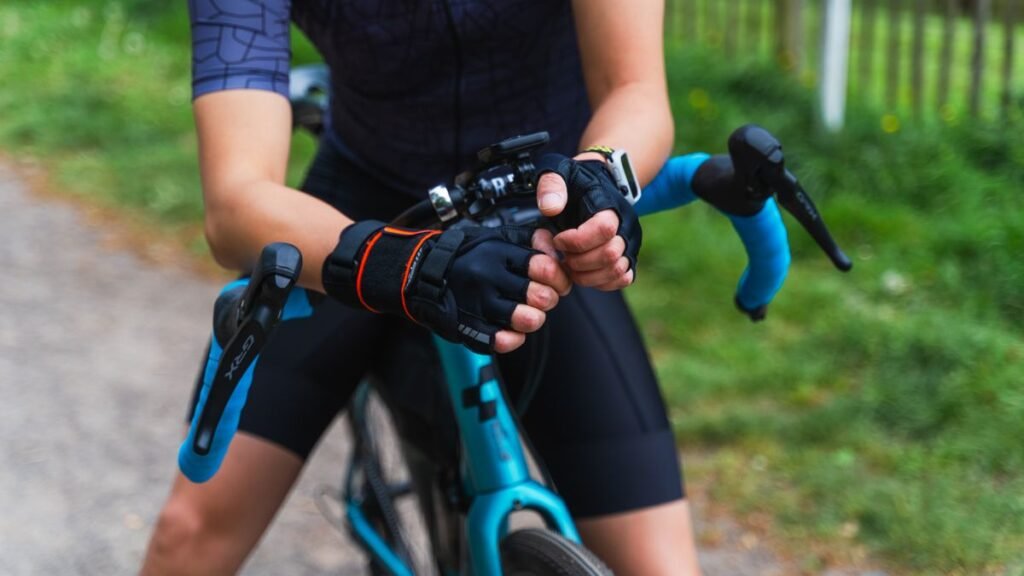
Quick answer: Our top pick in this guide to the best winter cycling gloves (2026) is the Castelli Perfetto RoS at $45 (overall). The runner-up is the PEARL iZUMi Insulated at $45. The table below compares all picks by price and who each is best for.
The best winter cycling gloves keep your hands warm and working when temperatures drop near freezing, without turning braking and shifting into guesswork. Cold hands end rides early and numb fingers are genuinely unsafe on descents, so this is a safety purchase as much as a comfort one. We compared the proven options from windproof softshells to deep-winter lobster claws to find the pairs worth riding through winter with.
Disclosure: This article contains links to products on Amazon. If you buy through these links, we may earn a small commission at no extra cost to you.
Related guide: winter cycling tips and gear.
Quick picks
| Glove | Best for | Design | Price (approx.) |
|---|---|---|---|
| Castelli Perfetto RoS | Overall | Windproof full finger | $45 |
| PEARL iZUMi Insulated | Touchscreen use | Insulated full finger | $45 |
| Gore WindStopper Lobster | Deep cold | Lobster claw | $60 |
| Castelli Estremo | Coldest days | Max insulation | $70 |
| GripGrab Windproof Lobster | Value lobster | Three-finger | $45 |
| PEARL iZUMi Softshell | Value | Softshell full finger | $40 |
1. Castelli Perfetto RoS — best overall
The Perfetto RoS handles the widest range of winter conditions: a Gore Infinium windproof shell that blocks the chill on descents, enough insulation for the 30s and 40s, and dexterity good enough that shifting and braking stay precise. It breathes well enough that you will not sweat out on climbs, which is where most winter gloves fail.
Check price on Amazon (about $45)
- Pros: excellent wind protection; great dexterity; water resistant; long cuff seals against jacket sleeves.
- Cons: not warm enough alone below freezing; snug fit, size up if between.
Specs: Gore Infinium Windstopper shell; lightly insulated; touchscreen-compatible fingertips; sizes XS-XXL.
2. PEARL iZUMi Insulated — best for touchscreen use
Pearl iZUMi’s insulated glove combines a windproof softshell back with a fleece lining and touchscreen fingertips that actually work with bike computers and phones. The palm stays thin enough for good bar feel, and the price undercuts most European brands.
Check price on Amazon (about $45)
- Pros: reliable touchscreen fingertips; warm fleece interior; good bar feel; reflective details.
- Cons: moderate rain resistance; runs slightly small.
Specs: windproof softshell; insulated lining; touchscreen-compatible index and thumb; sizes S-XXL.
3. Gore WindStopper Lobster — best for deep cold
Lobster gloves split your fingers into two groups, keeping them warmer by sharing heat while leaving enough separation to operate shifters and brakes. Gore’s WindStopper version is the proven pick for riding in the 20s: windproof, insulated and far more dextrous than mittens.
Check price on Amazon (about $60)
- Pros: much warmer than full-finger gloves at the same bulk; fully windproof; usable shifting and braking; durable shell.
- Cons: takes a ride or two to adapt; overkill above about 35 degrees.
Specs: Gore WindStopper shell; lobster claw design; fleece lining; sizes S-XXL.
4. Castelli Estremo — best for the coldest days
The Estremo is the glove for riders who refuse to stay inside: maximum insulation with a windproof shell, rated for temperatures well below freezing. If your winter rides happen in the teens and 20s and full-finger gloves leave you numb, this is the nuclear option before going to mittens.
Check price on Amazon (about $70)
- Pros: warmest full-finger option here; windproof and water resistant; quality construction; long gauntlet cuff.
- Cons: bulky, reduced dexterity; premium price; too warm above freezing.
Specs: Windstopper X-Fast shell; fleece insulation; full finger; sizes XS-XXL.
5. GripGrab Windproof Lobster — best value lobster
GripGrab’s three-finger lobster delivers the deep-cold advantage of the claw design at a friendlier price: windproof, water-repellent, with a fleece lining and a sweat-wipe thumb. A smart pick for riders trying the lobster style without the Gore price.
Check price on Amazon (about $45)
- Pros: warm in the 20s; good value; water-repellent finish; reflective graphics.
- Cons: slightly bulkier palm; sizing runs large.
Specs: windproof shell; three-finger lobster; fleece lining; sizes XS-XXL.
6. PEARL iZUMi Softshell — best value
A straightforward windproof softshell glove with light insulation at the lowest price on this list. For cool riding in the 40s and dry winter days, it covers the basics well: wind block, bar feel and a cuff that tucks under jacket sleeves.
Check price on Amazon (about $40)
- Pros: strong value; proven design; good dexterity; durable palm.
- Cons: minimal insulation for deep cold; no touchscreen compatibility.
Specs: windproof softshell; lightly insulated; full finger; sizes S-XXL.
How we chose
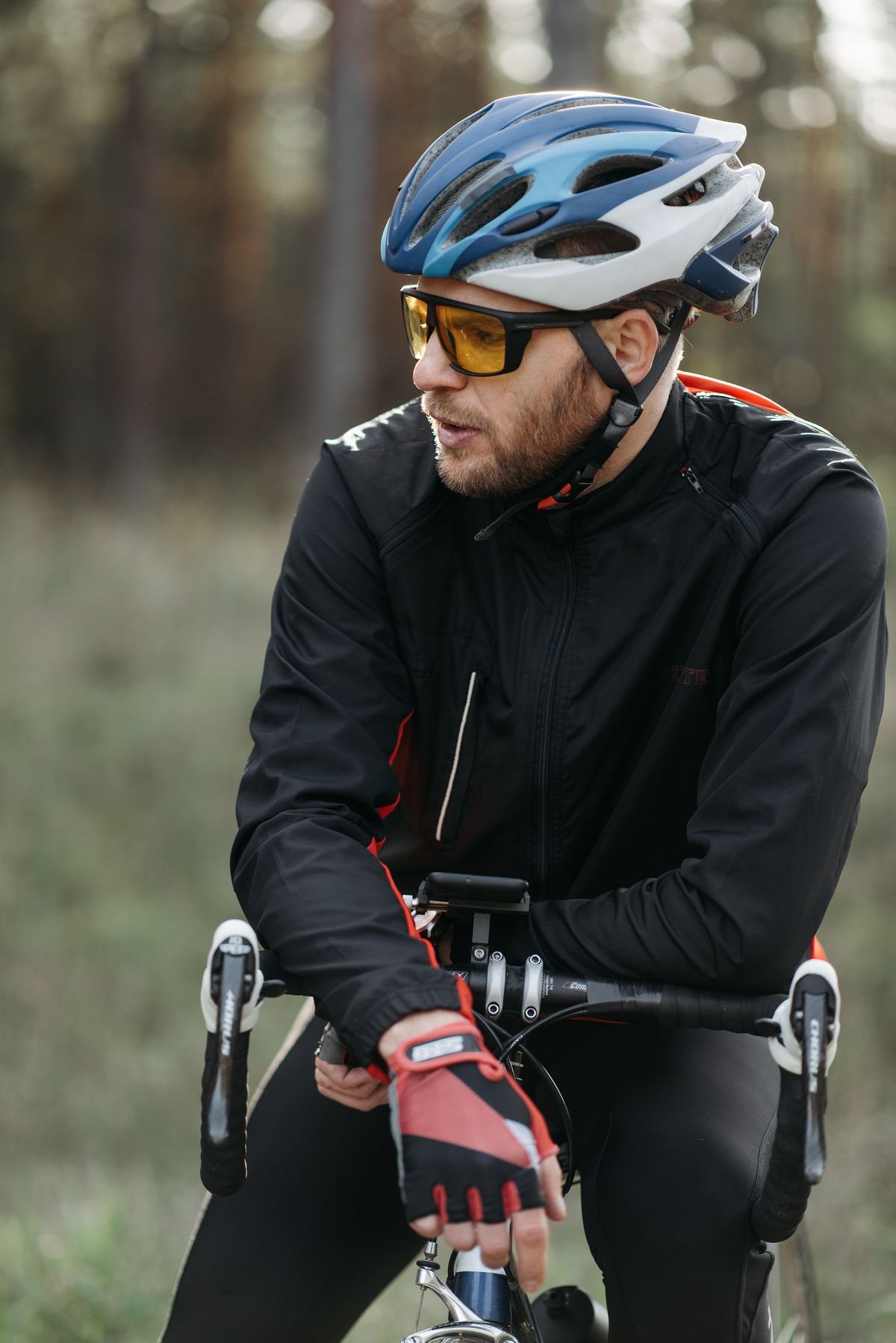
We prioritized the balance that matters in winter: warmth without losing brake and shift control. Windproofing came next, since wind chill on descents beats insulation every time, then cuff design, water resistance and value. Every glove here has a long record with winter commuters and cold-weather road riders.
Choosing winter gloves by temperature
For the 40s, a windproof softshell with light insulation is enough and keeps full dexterity. In the 30s, add real insulation or switch to a lobster design. Below freezing, lobsters or heavily insulated gloves like the Estremo earn their bulk. Match the glove to your coldest expected ride, and size so a thin liner glove fits underneath for the worst days.
Keeping hands warm longer
Warm hands start at your core: if your body is cold, blood leaves your fingers first, so layer your torso properly before blaming the gloves. Start rides with warm gloves from indoors, never cold ones from the garage. Keep cuffs sealed under jacket sleeves, and carry a spare liner pair in a pocket for long rides. Windproof matters more than thick insulation at speed: a thin windproof glove beats a thick breathable one on every descent.
Related guides: winter cycling boots, handlebar mitts.
FAQ
Lobster gloves or full-finger gloves?
Lobsters are noticeably warmer below about 35 degrees because fingers share heat, with a small dexterity penalty. Above that, full-finger gloves give better control and ventilation. Many winter riders own one of each.
Are winter cycling gloves waterproof?
Most are water resistant, not waterproof: they handle road spray and light rain for an hour or two. Sustained rain soaks through eventually. Waterproof membranes help but trap sweat, so they suit slower, colder rides.
Should winter gloves fit tight or loose?
Snug but not tight. A glove that compresses your fingers restricts blood flow and makes hands colder. You should be able to make a full fist and fit a thin liner underneath on the coldest days.
Related guides
Complete your winter setup with the best cycling base layers and the best cycling rain jackets, and keep feet warm with the best cycling socks. Our best arm warmers guide covers milder days.