
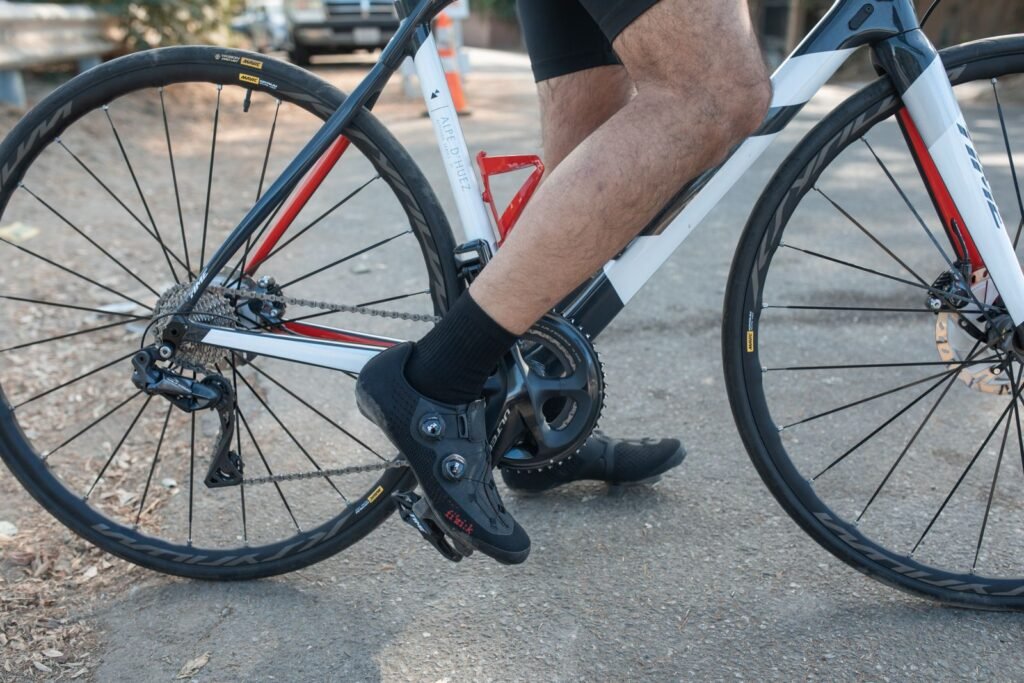
Quick answer: Our top pick in this guide to the best cycling socks (2026) is the Swiftwick Aspire (3-pack) at $45 (best overall). The runner-up is the DeFeet Aireator at $15. The table below compares all picks by price and who each is best for.
Cycling socks are easy to overlook until you ride in a bad pair: hot spots, soggy fabric, and a cuff that slides down mid-climb. Good ones wick sweat, hold their shape, support your arch, and disappear inside your shoe. The best cycling socks for most riders in 2026 are the Swiftwick Aspire, which combine firm compression with excellent moisture management. We picked six pairs covering summer heat, winter cold, wet weather, and value multipacks.
Here is what we would put on our own feet.
Related guide: cycling clothing basics.
Our quick picks
| Sock | Material | Best for | Approx. price |
|---|---|---|---|
| Swiftwick Aspire (3-pack) | Olefin/nylon | Best overall | $45 |
| DeFeet Aireator | Synthetic mesh | Best for hot weather | $15 |
| Swiftwick Performance Seven | Merino blend | Best merino | $17 |
| Smartwool Bike Zero Cushion | Merino/synthetic | Best for shoulder seasons | $21 |
| GripGrab Lightweight Waterproof | Waterproof membrane | Best for wet rides | $40 |
| DANISH ENDURANCE (3-pack) | Coolmax blend | Best value | $20 |
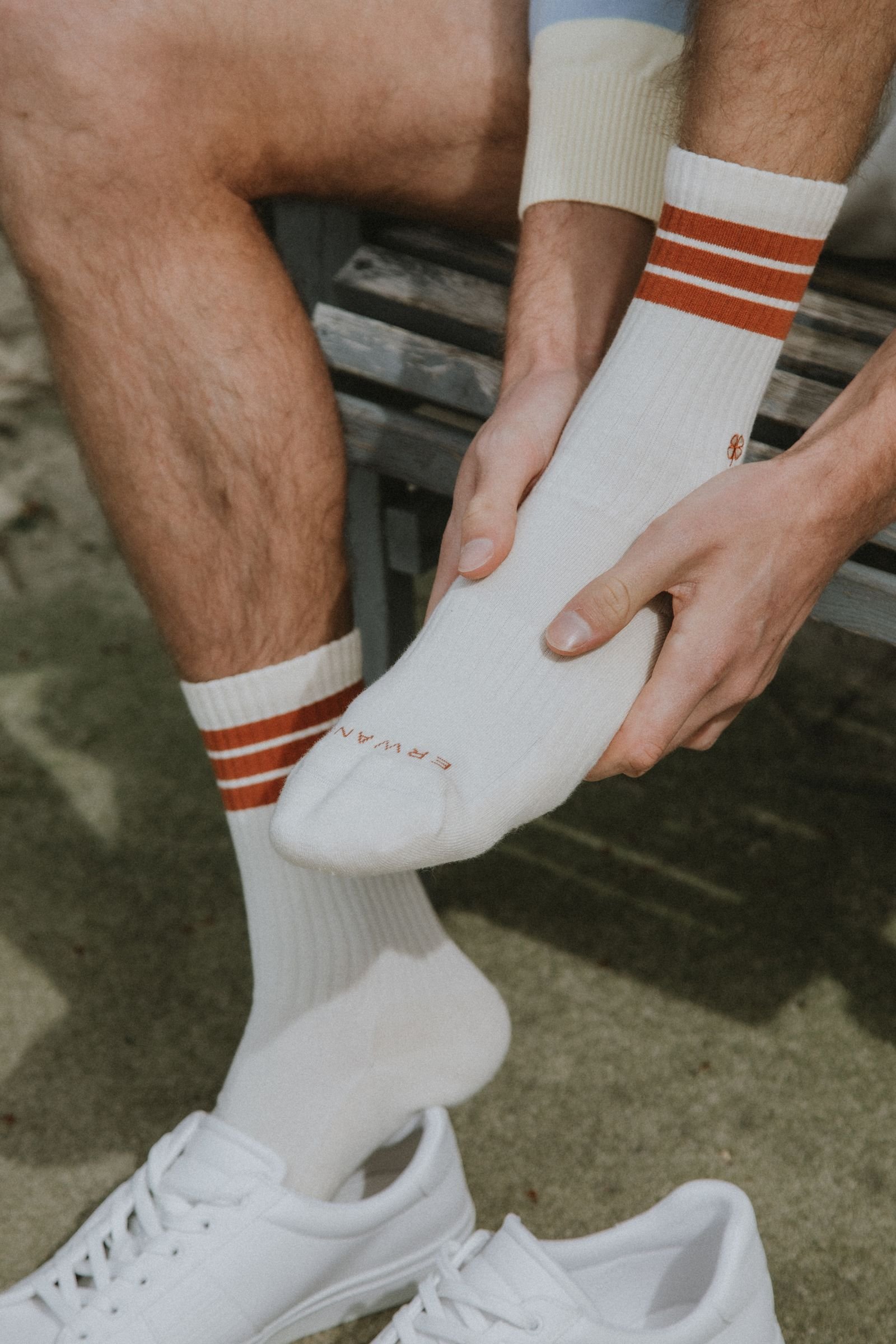
The best cycling socks in 2026
1. Swiftwick Aspire — best overall
Swiftwick knits its socks in Tennessee, and the Aspire is its signature cycling model. The fit is firm and compressive through the arch and cuff, so nothing moves or bunches inside your shoe, and the olefin fiber wicks sweat faster than standard nylon. The three-pack softens the premium per-pair price.
- Pros: locked-in compression fit; outstanding moisture wicking; durable across seasons of washing; made in the USA
- Cons: snug fit runs tight for wide feet; tall cuff height is not for everyone
Specs: olefin/nylon/spandex blend, crew height, linked toe seam, sold as a 3-pack.
Price: around $45 for three pairs. Check price on Amazon
2. DeFeet Aireator — best for hot weather
The Aireator is the original mesh-top cycling sock and still the one to beat for summer. The ventilated weave across the foot dumps heat fast, and the thin profile disappears inside snug road shoes. DeFeet’s cuff stays up without squeezing, and the color and graphic range is enormous.
- Pros: superb ventilation; thin and light; huge design selection; the cuff never slides
- Cons: thin fabric wears through faster under the toes; too airy for cold rides
Specs: synthetic mesh blend, multiple cuff heights, reinforced heel and toe.
Price: around $15 per pair. Check price on Amazon
3. Swiftwick Performance Seven — best merino
Merino manages temperature and odor better than any synthetic, and the Performance Seven blends it with synthetics so it dries faster and lasts longer than pure wool. It works across a huge temperature range, from cool spring mornings to warm afternoons, which makes it a great travel sock.
- Pros: merino comfort without the soggy feel; natural odor resistance; wide temperature range; Swiftwick’s excellent fit
- Cons: costs more than synthetic socks; merino blends still dry slower than olefin
Specs: merino/nylon/spandex blend, seven-inch cuff, moderate cushion.
Price: around $17 per pair. Check price on Amazon
4. Smartwool Bike Zero Cushion — best for shoulder seasons
Smartwool’s zero-cushion bike sock puts merino where it matters and reinforces high-wear zones with recycled nylon. It is thin enough for tight shoes but warm enough for chilly starts, and the Virtually Seamless toe genuinely does not rub on long rides.
- Pros: great cool-weather warmth without bulk; excellent durability in the toe and heel; no toe-seam irritation
- Cons: premium price for one pair; overkill for hot summer riding
Specs: merino/recycled nylon/elastane, zero cushion, crew height.
Price: around $21 per pair. Check price on Amazon
5. GripGrab Lightweight Waterproof — best for wet rides
Waterproof socks sound like a gimmick until you ride through an hour of rain with dry feet. GripGrab’s version uses a thin three-layer membrane that blocks water while breathing better than older waterproof designs. For winter base miles and wet commutes, they are the difference between finishing a ride and bailing.
- Pros: actually waterproof; surprisingly breathable; warm in cold rain; far less bulky than overshoes
- Cons: expensive; too warm and clammy for dry-weather use; slightly thicker fit inside snug shoes
Specs: three-layer waterproof membrane construction, crew height, reflective details.
Price: around $40 per pair. Check price on Amazon
6. DANISH ENDURANCE 3-pack — best value
Three cycling-specific socks for the price of one premium pair. The Coolmax blend wicks well, the fit is snug through the arch, and they hold up to regular washing. They are not as refined as Swiftwick or DeFeet, but for stocking a sock drawer on a budget, nothing here beats them.
- Pros: outstanding value; proper cycling fit and wicking; breathable; decent durability for the price
- Cons: less precise fit than premium socks; cuff grip loosens sooner over time
Specs: Coolmax/nylon blend, crew height, sold as a 3-pack.
Price: around $20 for three pairs. Check price on Amazon
How we chose
We compared cycling socks on fit security, moisture management, durability, temperature range, and value. Every sock here is cycling-specific: snug through the arch, a cuff that stays up, and a toe seam that will not rub after three hours. We favored brands with deep roots in cycling, wide US availability, and honest pricing, and we deliberately covered hot weather, cold weather, wet weather, and budget needs.
What to look for in cycling socks
Material. Synthetics (olefin, Coolmax, nylon) wick fastest and suit hot weather. Merino blends regulate temperature and resist odor, ideal for cool and variable conditions. Waterproof membranes are a specialist tool for wet winters.
Cuff height. Mostly preference and tradition: road riders favor 5-7 inch cuffs, while gravel and mountain bikers go shorter or longer freely. Taller cuffs add a little warmth and sun protection.
Fit. A cycling sock should be snug with zero bunching. Loose fabric inside a stiff shoe is how blisters start. If you are between sizes, size down.
Cushion. Most road riders want thin socks because cycling shoes fit closely. Light cushion under the heel and ball adds comfort for long-distance and off-road riding.
Durability. Check the toe and heel for reinforcement. Socks wear fastest under the toes, where pedaling pressure concentrates, especially with stiff-soled cycling shoes.
Frequently asked questions
Do cycling socks actually make a difference?
Yes. They fit closer, wick faster, and stay put better than gym or hiking socks. Over a long ride, that means fewer hot spots, less bunching, and drier feet. The difference is obvious on your first ride in a proper pair.
Are merino wool socks good for cycling?
Excellent, especially in cool and changeable weather. Merino insulates when damp, resists odor on multi-day trips, and modern blends dry far faster than old pure-wool socks. In peak summer heat, thin synthetics still win.
How many pairs of cycling socks do I need?
Three to five pairs covers a weekly riding schedule with laundry in between. Multipacks like the Swiftwick Aspire and DANISH ENDURANCE three-packs make that cheap to reach.
Should cycling socks be tall or short?
Whatever you like. Tall cuffs are road tradition and add sun and brush protection; short cuffs run cooler. There is no performance difference, so ride what looks and feels right to you.
What else keeps feet comfortable on the bike?
Socks are half the equation. The right cycling shoes and, in cold weather, good gloves for the same conditions matter just as much. For more gear guides, browse our bike accessories section.