
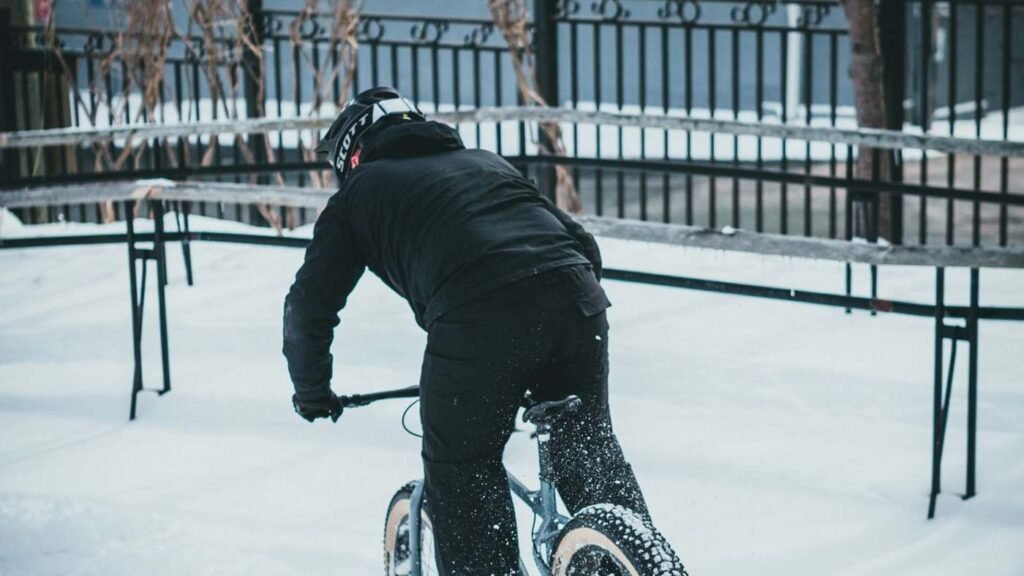
Quick answer: To ride in winter, dress in layers, keep your hands, feet and head warm, use bright lights and reflective gear, and add fenders. A wind-blocking outer layer and warm gloves matter most. Ride a little slower, brake earlier on wet or icy roads, and wipe down your bike and lube the chain after wet rides.
Cold weather does not have to end bike season. The right layers and a few bike changes keep winter rides comfortable and safe. This guide covers what to wear, how to see and be seen, and how to look after the bike. Shop our best winter cycling jackets, best winter cycling gloves and best winter cycling boots.
How to Dress for Cold-Weather Cycling
- Base layer: a snug layer that moves sweat away from your skin.
- Middle layer: a warm fleece or insulating top.
- Outer layer: a wind-blocking or waterproof jacket. See winter cycling jackets and cycling rain jackets, with rain pants for wet days.
- Hands and feet: winter gloves and winter boots. Cold hands and feet are the first things to bother most riders.
- Head: a thin cap or ear cover that fits under your helmet. See how to fit a bike helmet so it still fits with a cap.
Start a ride slightly cool. You warm up as you ride, and it is easy to overheat if you start too warm.
Be Seen: Lights and Reflective Gear
Winter days are short, so lights matter more. Use a headlight and a tail light, and consider radar tail lights and helmets with lights. Reflective vests and ankle bands help as well. Lighting rules vary by state, so check yours.
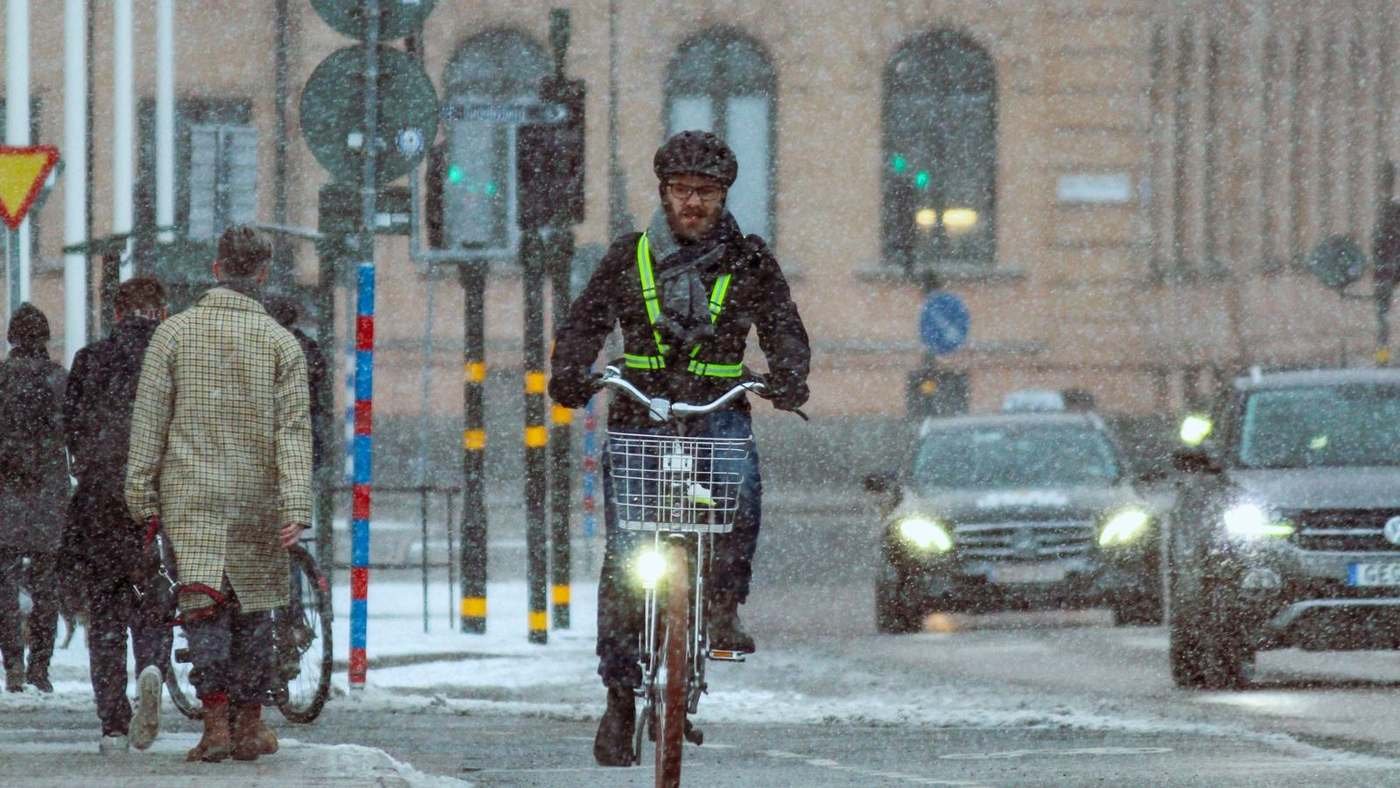
Get Your Bike Ready for Winter
- Add fenders to keep spray off you and your drivetrain.
- Check your brake pads and tires. Wet roads make good grip more important.
- Keep the chain clean and lubed. See how to clean and lube a bike chain. Wet lube is a common choice in winter.
- Carry a spare tube and know how to fix a flat bike tire.
Riding in Snow and Ice
Slow down, brake earlier and avoid sudden turns on slick surfaces. Wider tires give more grip. A fat tire bike is one option for snow. If the weather is too bad, ride indoors with a bike trainer and a trainer mat.
After the Ride
Wipe the bike dry after a wet ride, check the chain and let your gear dry. Salt on winter roads can corrode parts, so rinse the bike with clean water when you can.
FAQ
How do I dress for winter cycling?
Wear layers: a base layer, a warm middle layer and a wind-blocking or waterproof jacket. Add gloves, warm socks or boots and a thin cap under your helmet.
How do I keep my hands warm when cycling in winter?
Wear winter cycling gloves with a wind-blocking outer. Some riders add thin liner gloves for very cold days.
What lights do I need for winter cycling?
A front light and a rear light. Use them in low light and bad weather, and check your local rules.
Should I lower my tire pressure in winter?
Slightly lower pressure can give more grip on wet or slick roads, within the range printed on the tire.
How do I look after my bike in winter?
Keep the chain clean and lubed, wipe the bike after wet rides, and rinse off road salt.