
Quick answer: Our top pick in this guide to the best cycling base layers (2026) is the Craft Active Extreme 2.0 at $45 (overall). The runner-up is the PEARL iZUMi Transfer SS at $35. The table below compares all picks by price and who each is best for.
The best cycling base layers regulate your temperature in every season: they pull sweat off your skin in summer and add a warm, dry first layer in winter. A good base layer disappears under your jersey, never bunches, and dries before your coffee stop ends. We compared the proven options from featherweight summer mesh to thermal winter knits to find the ones worth layering under your kit.
Disclosure: This article contains links to products on Amazon. If you buy through these links, we may earn a small commission at no extra cost to you.
Quick picks
| Base layer | Best for | Fabric | Price (approx.) |
|---|---|---|---|
| Craft Active Extreme 2.0 | Overall | Thin thermal knit | $45 |
| PEARL iZUMi Transfer SS | Three-season | Transfer mesh | $35 |
| GORE WEAR Base Layer | Cold rides | Thermo-stretch | $40 |
| Craft Cool Mesh Superlight | Hot weather | Open mesh | $35 |
| PEARL iZUMi Transfer Sleeveless | Summer | Light mesh | $30 |
| Craft proZERO | Value | Light thermal | $40 |
1. Craft Active Extreme 2.0 — best overall
Craft’s Active Extreme has been the reference winter base layer for years: a thin thermal knit with a windstopper-free design that breathes hard on climbs and still traps warmth on descents. The body-mapped panels move sweat away fast, and the fit sits flat under a tight jersey without riding up.
Check price on Amazon (about $45)
- Pros: excellent moisture transfer; thin enough for race jerseys; flat seams; long body stays tucked.
- Cons: snug sizing, size up if between; synthetic fabric holds odor over time.
Specs: 100% polyester thermal knit; ergonomic fit; crew neck; sizes XS-XXL.
2. PEARL iZUMi Transfer Short Sleeve — best three-season
The Transfer short sleeve is the one base layer that works almost year-round: light mesh that cools in spring and fall, and a snug fit that adds a warm dry layer in winter. Pearl iZUMi’s Transfer fabric moves moisture quickly and the cut is shaped for a riding position, not standing.
Check price on Amazon (about $35)
- Pros: versatile temperature range; shaped cycling fit; fast drying; fair price.
- Cons: minimal insulation alone in deep winter; limited color options.
Specs: Transfer mesh polyester; short sleeves; form fit; sizes S-XXL.
3. GORE WEAR Base Layer — best for cold rides
Gore’s base layer adds real warmth for its weight: a thermo-stretch knit that keeps working when temperatures drop near freezing, with a close fit that layers cleanly under a jacket or rain shell. If your winter rides are long and genuinely cold, this is the warmer pick over lighter options.
Check price on Amazon (about $40)
- Pros: warm for the weight; four-way stretch; quick drying; quality flatlock seams.
- Cons: too warm above about 50 degrees; premium price.
Specs: thermo-stretch fabric; short sleeves; form fit; sizes S-XXL.
4. Craft Cool Mesh Superlight — best for hot weather
Yes, a base layer in summer: the Cool Mesh Superlight is a nearly weightless open-mesh layer that moves sweat off your skin so your jersey can evaporate it, which keeps you drier and cooler on hard climbs in heat. Riders who sweat heavily in summer notice the difference immediately.
Check price on Amazon (about $35)
- Pros: remarkably light; dries in minutes; invisible under a jersey; comfortable in high heat.
- Cons: fragile mesh, wash in a garment bag; sleeveless only.
Specs: open-mesh polyester; sleeveless; ergonomic fit; sizes XS-XXL.
5. PEARL iZUMi Transfer Sleeveless — best summer layer
The sleeveless Transfer is the summer alternative with a bit more structure than Craft’s mesh: a light, smooth fabric that wicks fast and layers under any jersey without adding bulk in the arms. It is the easy choice if you want one warm-weather base layer that also works indoors on the trainer.
Check price on Amazon (about $30)
- Pros: great wicking; smooth against skin; affordable; holds up to frequent washing.
- Cons: runs small in the chest; not warm enough for cool mornings.
Specs: Transfer fabric; sleeveless; form fit; sizes S-XXL.
6. Craft proZERO — best value
The proZERO sits between summer mesh and winter thermal: a light knit for cool conditions at a price below most name-brand base layers. For commuting and shoulder-season riding it delivers most of what the Active Extreme does for less money.
Check price on Amazon (about $40)
- Pros: strong value; comfortable flat seams; good cool-weather range; durable knit.
- Cons: less refined fit than Active Extreme; moderate wicking speed.
Specs: light thermal knit; short sleeves; athletic fit; sizes XS-XXL.
How we chose
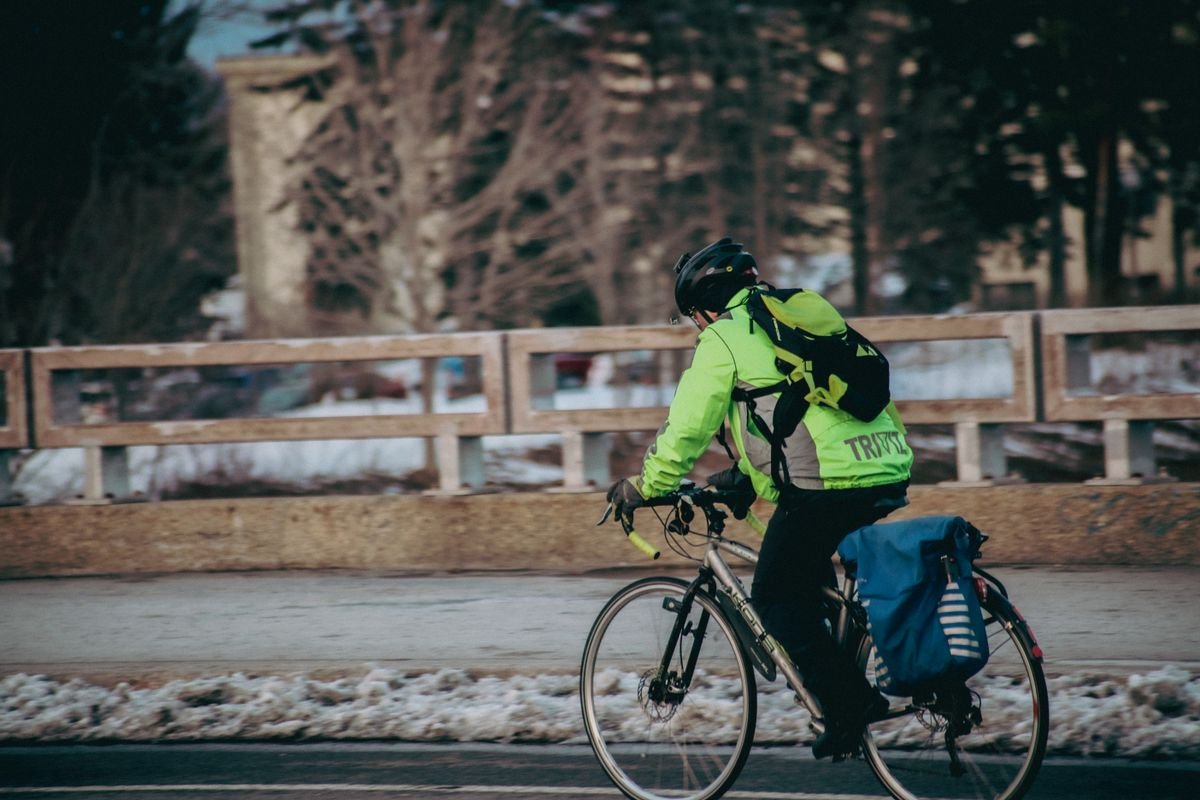
We prioritized moisture transfer first: a base layer that stays wet against your skin fails at its one job. From there we weighed temperature range, fit under a close-cut jersey, seam comfort on long rides and durability through frequent washing. Every pick here has a long track record with real riders, from summer mesh to winter thermal.
Choosing a base layer by season
Summer base layers are open mesh or ultralight knits: their job is to keep sweat moving, not to add warmth. Winter base layers use denser thermal knits, sometimes with a windproof front panel, and their job is to keep you dry so your insulation works. The three-season middle ground, a light short-sleeve mesh, covers spring and fall for most riders. Buy for your hardest sweating conditions first, then add a thermal for winter.
Fit and layering tips
A base layer should fit like a second skin: any extra fabric bunches under a race-cut jersey and traps moisture. Wear it directly against skin, jersey over the top, and never a t-shirt between. In winter, the base layer plus a mid jersey plus a shell beats one heavy jacket for temperature control across a long ride. Wash after every ride; sweat and body oils kill wicking performance faster than miles do.
Related guide: our cooling towels for cyclists guide.
FAQ
Do I need a cycling-specific base layer?
Cycling-specific cuts are longer in the back, shorter in front and shaped for a bent-over position, so they stay put and avoid pressure points on the bike. A running base layer works, but the cycling cut is noticeably better on long rides.
Merino wool or synthetic?
Merino resists odor for multi-day trips and regulates temperature well, but it dries slower and costs more. Synthetics wick faster and survive more washes. Most riders training weekly do better with synthetic; bikepackers often choose merino.
Should a base layer be tight or loose?
Tight. Wicking works through contact between fabric and skin, so a loose base layer leaves wet patches. Choose your normal jersey size and expect a snug, stretchy fit.
Related guides
Build your cold-weather kit with the best cycling rain jackets and the best arm warmers for cycling, and keep hands comfortable with the best cycling gloves. Our best cycling jerseys guide covers the layer that goes on top.