
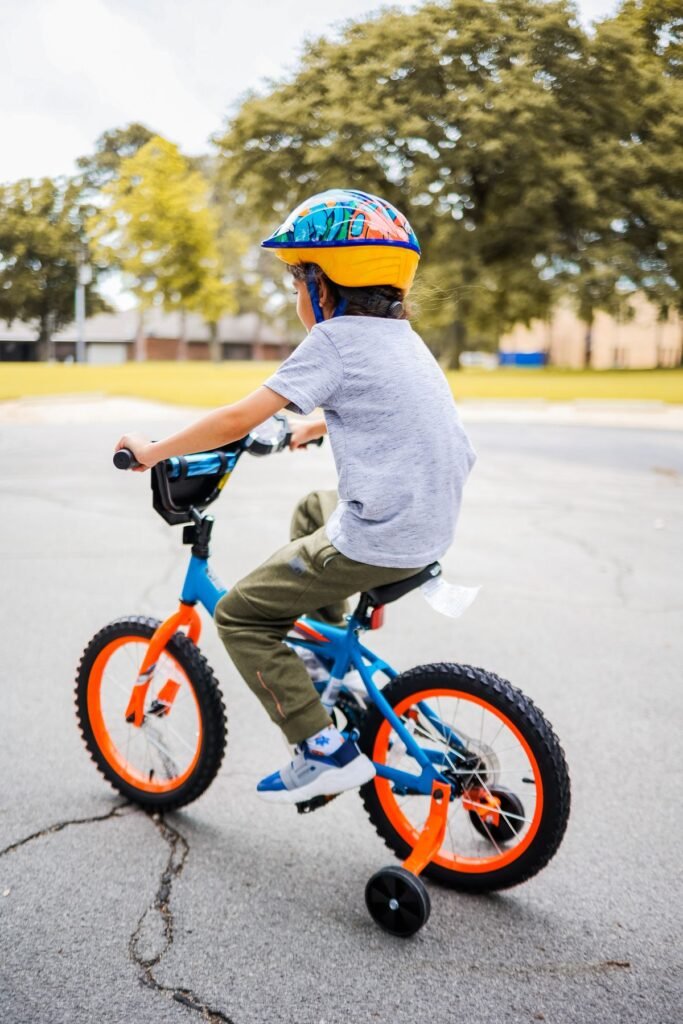
Quick answer: Our top pick in this guide to the best kids bike helmets for is the Giro Scamp MIPS at $65 (overall). The runner-up is the Bell Sidetrack II MIPS at $60. The table below compares all picks by price and who each is best for.
The best kids bike helmets combine real crash protection with a fit and look that children actually agree to wear. Every helmet here is CPSC-certified for bicycle use in the US, but they differ a lot in adjustability, ventilation, weight and whether they offer MIPS, the slip-plane liner that reduces rotational forces. We compared the most popular options for toddlers through tweens, and these six are the ones we would put on our own kids.
Disclosure: This article contains links to products on Amazon. If you buy through them, we may earn a small commission at no extra cost to you.
Related guide: how to fit a bike helmet.
Related guide: kids bike safety tips.
Related guide: how to choose a kids bike helmet.
Quick picks
| Kids helmet | Best for | Age range | Price (approx.) |
|---|---|---|---|
| Giro Scamp MIPS | Overall | 1-5 years | $65 |
| Bell Sidetrack II MIPS | Older kids | 5-10 years | $60 |
| Thousand Jr. | Style and safety | 2-7 years | $70 |
| Joovy Noodle | Toddlers | 1-4 years | $35 |
| Schwinn Kids Helmet | Value | 3-8 years | $30 |
| Retrospec Scout | Budget | 3-10 years | $30 |
1. Giro Scamp MIPS — Best overall
The Scamp is the helmet most bike-shop staff put on their own toddlers. The in-mold shell keeps it light, the Roc Loc Jr. dial adjusts fit with one hand, and the MIPS version adds meaningful rotational protection for a modest price bump. The extended rear coverage protects more of the back of the head than most kids helmets, and the pinch-guard buckle saves chins at buckle time.
- Sizes: XS (45-49 cm) and S (49-53 cm)
- Safety: CPSC, MIPS liner
- Weight: about 250 g
Pros: MIPS at a fair price, excellent fit system, great rear coverage.
Cons: Runs warm on hot days.
Check the Giro Scamp MIPS on Amazon
2. Bell Sidetrack II MIPS — Best for older kids
For kids who have outgrown toddler sizes, the Sidetrack II covers the 5-to-10 crowd with mountain-bike styling and a removable visor. The Ergo Fit dial is easy for kids to use themselves, the straps sit flat against the cheeks, and the MIPS liner comes standard at this price. It is the natural next helmet after a Scamp, and it matches the kids bikes we recommend.
- Sizes: Child (50-54 cm) and Youth (54-58 cm)
- Safety: CPSC, MIPS
- Extra: removable visor
Pros: MIPS included, kid-friendly dial, cool styling they will actually wear.
Cons: Slightly heavier than premium rivals.
Check the Bell Sidetrack II on Amazon
3. Thousand Jr. — Best for style and safety
Thousand built its name on helmets adults want to wear, and the Jr. version does the same for kids, with retro colors and a low-profile shell that does not look like a mushroom. Underneath the style it is fully CPSC certified, with a magnetic buckle kids can fasten themselves and a dial-fit system. The included sticker pack for personalization is a bigger hit than you would expect.
- Sizes: one size, 49-53 cm
- Safety: CPSC and CE certified
- Buckle: magnetic
Pros: Kids love the look, easy magnetic buckle, solid certifications.
Cons: Priciest pick here; fewer vents than sporty models.
Check the Thousand Jr. on Amazon
4. Joovy Noodle — Best for toddlers
The Noodle is purpose-built for the balance-bike years. Fourteen vents keep small heads cool, the extended visor shields eyes, and the nylon chin strap with an adjustable dial fits heads down to about 47 cm, smaller than most helmets go. If your child is just starting on one of the balance bikes we reviewed, this is the helmet to start with.
- Sizes: S (47-50 cm) and M (50-53 cm)
- Safety: CPSC
- Vents: 14
Pros: Fits genuinely small heads, very light, well ventilated.
Cons: No MIPS option; graphics are little-kid only.
Check the Joovy Noodle on Amazon
5. Schwinn Kids Helmet — Best value
Schwinn’s kids helmet does the fundamentals right at a friendly price: CPSC certification, a dial-adjust fit, a removable visor and decent venting. Build quality is a step below the premium picks, but for a helmet that will be outgrown in two summers, it covers the essentials and comes in colors and characters kids like.
- Sizes: Child (48-54 cm)
- Safety: CPSC
- Extra: removable visor
Pros: Affordable, certified, easy fit adjustment.
Cons: Heavier than pricier helmets; pads compress over time.
Check the Schwinn Kids Helmet on Amazon
6. Retrospec Scout — Best budget
The Scout is the cheapest helmet here that still fits well. The ErgoKnob dial snugs the interior evenly, the shell has 14 vents, and the two size options cover roughly ages 3 to 10. Padding is thinner than the leaders, but the helmet is light, certified and available in a dozen colors, which matters when a seven-year-old gets a vote.
- Sizes: S (48-52 cm) and M (52-56 cm)
- Safety: CPSC
- Vents: 14
Pros: Cheapest pick, lots of colors, light.
Cons: Thin padding; buckle feels basic.
Check the Retrospec Scout on Amazon
How we chose

Every helmet in this guide is CPSC-certified for bicycle use, which is the legal baseline in the US and non-negotiable. From there we compared fit systems, weight, ventilation, coverage and whether MIPS is offered, plus how willingly real kids keep each helmet on. Prices are approximate US list prices and change often, so check the listing before you buy.
Kids helmet fit basics
Measure the head. Wrap a soft tape around the widest part of the forehead, about an inch above the eyebrows, and match that circumference to the size chart. Age ranges are only a rough guide.
Check the fit. The helmet should sit level, two finger-widths above the eyebrows, and not rock when the child shakes their head with the strap unbuckled.
The V rule. Straps should form a V under each ear, and you should fit only one or two fingers under the buckled chin strap.
Replace after any crash. A crashed helmet’s foam is spent even if it looks fine, and outgrown helmets should not be handed down with a compromised fit.
Related guides: kids cycling sunglasses, toddler bike helmets, BMX bikes for kids, kids protective gear sets.
FAQ
What size bike helmet does my child need?
Measure head circumference in centimeters and use the brand’s size chart. Most toddlers need 47-53 cm; most 5-to-10-year-olds need 50-56 cm. When between sizes, try the smaller one first.
Is MIPS worth it for kids?
MIPS adds a low-friction liner that reduces rotational forces in angled impacts, which are common in real crashes. If the budget allows, we think it is worth the extra $15-20, but any properly fitted CPSC helmet is far better than none.
How often should a kids helmet be replaced?
Replace it after any impact, when it no longer fits, or roughly every three to five years as foam and straps degrade. Never buy a used helmet.
Can my child use a bike helmet for scootering or skating?
A CPSC bicycle helmet covers cycling and scootering. For skateboarding, look for dual certification (CPSC bike plus ASTM skate) because skate helmets are built for repeated lower-speed impacts.