
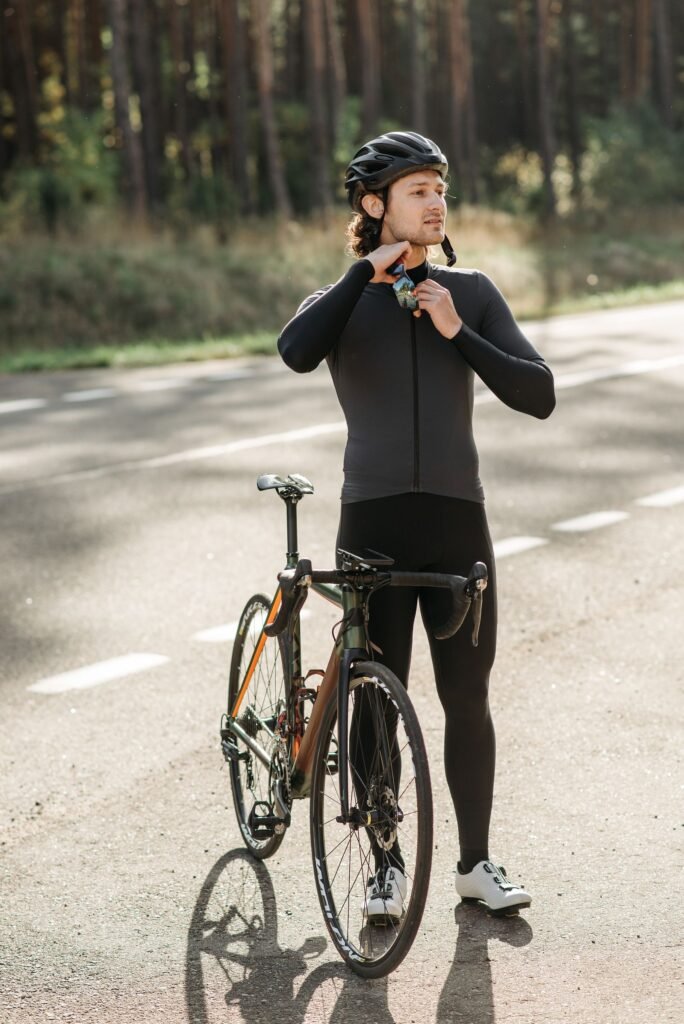
Quick answer: Our top pick in this guide to the best bike helmets under $100 is the Bell Avenue MIPS at about $65 (best overall). The runner-up is the Giro Register MIPS at about $60. The table below compares all picks by price and who each is best for.
Every helmet sold in the US meets the same CPSC safety standard, so a $40 helmet protects your head on the same legal footing as a $250 one. What more money buys is comfort, ventilation, lighter weight, and increasingly MIPS, the slip-plane liner that reduces rotational forces in angled crashes.
The best bike helmets under $100 below include several MIPS options, and every one is stocked at Amazon US at the time of writing.
Disclosure: Push Bicycle is reader-supported. If you buy through links on our site, we may earn an affiliate commission at no extra cost to you. Our picks are independent and based on our own research.
Related guide: types of bike helmets.
The best bike helmets under $100 at a glance
| Helmet | Best for | Approx. price |
|---|---|---|
| Bell Avenue MIPS | Best overall | ~$65 |
| Giro Register MIPS | Best ventilation | ~$60 |
| Basecamp ACE II | Best for road riding | ~$45 |
| OutdoorMaster MIPS | Best budget MIPS | ~$40 |
| Retrospec Lennon | Best commuter | ~$35 |
| Schwinn Thrasher | Best budget | ~$30 |
How we chose the best bike helmets under $100

Fit is everything in a helmet, so we favored models with wide size ranges, dial adjusters, and shapes owners describe as forgiving. Beyond that: MIPS availability, ventilation for summer riding, weight, and extras like visors and lights that add daily value. Approximate prices reflect typical US list prices at the time of writing.
Quick tips before you buy
- Measure your head first. Wrap a tape an inch above your eyebrows. Sizes overlap between brands, so the number matters more than the label.
- MIPS is worth it. Rotational protection used to cost $150; it now starts around $40. Four picks here include it.
- Replace after any crash. Foam crushes once. Also replace every three to five years as materials age.
- Vents matter in summer. If you run hot or ride in heat, favor the breeziest design over extra features.
- The dial should snug, not clamp. A helmet that needs cranking down is the wrong size or shape.
1. Bell Avenue MIPS — Best overall
~$65 | MIPS liner | 18 vents | dial fit | 280 g
The Avenue MIPS packs the features of Bell’s $100-plus helmets into a $65 shell: genuine MIPS, 18 vents, a sweat-guiding brow pad, and Bell’s reliable fit system. It is light, breezy, and shaped to suit most heads.
Bell has made helmets for 70 years, and the Avenue shows why they are still the default answer.
Pros: real MIPS at a mid price; excellent ventilation; refined fit; trusted brand.
Cons: sporty look will not suit every taste; no visor.
2. Giro Register MIPS — Best ventilation
~$60 | MIPS liner | 22 vents | Roc Loc fit | universal fit sizing
The Register MIPS is Giro’s best-selling recreational helmet for a reason: 22 vents make it the coolest-wearing helmet here, the Roc Loc dial adjusts one-handed, and MIPS comes standard. The universal fit shell genuinely accommodates a wide range of head shapes.
For hot climates and riders who overheat, start here.
Pros: outstanding airflow; MIPS; easy one-hand adjustment; removable visor.
Cons: universal fit means one shell size; slightly bulky profile.
3. Basecamp ACE II — Best for road riding
~$45 | aero road styling | adjustable M/L | lightweight | rear LED on many versions
The ACE II looks and rides like a helmet twice its price: sleek aero shaping, low weight, solid ventilation, and a secure adjustable fit. Many versions include a plug-in rear LED, a real commuting bonus.
It skips MIPS to hit the price, but the CPSC-rated shell and standout styling make it the best non-MIPS pick.
Pros: premium looks; light; LED option; strong value.
Cons: no MIPS; sizing runs slightly small per some owners.
4. OutdoorMaster MIPS — Best budget MIPS
~$40 | MIPS liner | two removable liners | multi-sport ventilation
The OutdoorMaster is the cheapest way to get MIPS from a recognizable brand. It ships with two washable liners of different thicknesses, which cleverly customizes the fit, and the ventilation works across road, trail, and commuting.
The shell runs a touch round, but at $40 with MIPS, quibbles are few.
Pros: MIPS under $40; two liners for fit tuning; versatile.
Cons: round fit profile; basic straps.
5. Retrospec Lennon — Best commuter
~$35 | built-in LED rear light | removable visor | dial fit
The Lennon is designed for city riding: an integrated LED rear light for traffic visibility, a removable visor, and clean styling that looks right off the bike too. The dial fit snugs securely, and ventilation handles summer commutes.
No MIPS at this price, but the visibility features arguably prevent more accidents than any liner.
Pros: integrated light; commuter-ready looks; visor included; cheap.
Cons: no MIPS; light battery needs occasional charging.
6. Schwinn Thrasher — Best budget
~$30 | dial fit | visor | 20 vents | ages 14+
The Thrasher is the best-selling budget helmet in America: a proper dial adjuster, a visor, 20 vents, and Schwinn’s fit consistency for around $30. It has protected millions of riders and its owner review base is enormous.
It is heavier and warmer than the MIPS picks, but nothing legitimate costs less.
Pros: lowest price; proven fit; huge review history; visor included.
Cons: no MIPS; heavier than pricier options.
Frequently asked questions
Are cheap bike helmets safe?
Yes. The best bike helmets under 100 dollars meet the same CPSC impact standard, whether it costs $30 or $300. Pricier helmets add comfort, ventilation, lower weight, and technologies like MIPS, not a higher legal safety bar.
What is MIPS and do I need it?
MIPS is a low-friction liner that lets the helmet rotate slightly on impact, reducing the rotational forces linked to concussions. It is not mandatory, but at under $100 it is affordable insurance; four of our six picks include it.
How should a bike helmet fit?
Level on your head, two fingers above your eyebrows, straps forming a V under each ear, and snug enough that it does not rock when you shake your head. The dial fine-tunes; it should never have to compensate for a wrong size.
When should I replace my helmet?
Immediately after any crash, even without visible damage, and every three to five years otherwise. Sweat, UV, and time degrade the foam and straps.
Prices and availability change. Check the current listing before you buy. Riding a specific discipline? See our guides to the best bike helmets, the best road bike helmets, the best mountain bike helmets, and the best kids bike helmets.