

Quick answer: To choose cycling gloves, start with the season and the kind of riding. Fingerless gloves suit warm weather and road rides. Full-finger gloves give more protection for mountain biking and cold days. Pick a snug fit that does not bunch at the palm, look for padding where the heel of your hand rests on the bar, and check the maker size chart before you order.
Gloves do three things: cushion your hands, give grip and protect your palms if you fall. Here is how to pick a pair.
1. Fingerless or Full-Finger
Fingerless gloves keep hands cool and are common on road bikes. Full-finger gloves cover more and suit trail riding and cold days. Compare options in cycling gloves, mountain bike gloves and winter cycling gloves.
2. Fit and Size
A good glove feels snug with no loose fabric at the palm or fingertips. Measure your hand as the maker size chart says, and note that sizes vary by brand. For kids, see kids cycling gloves.
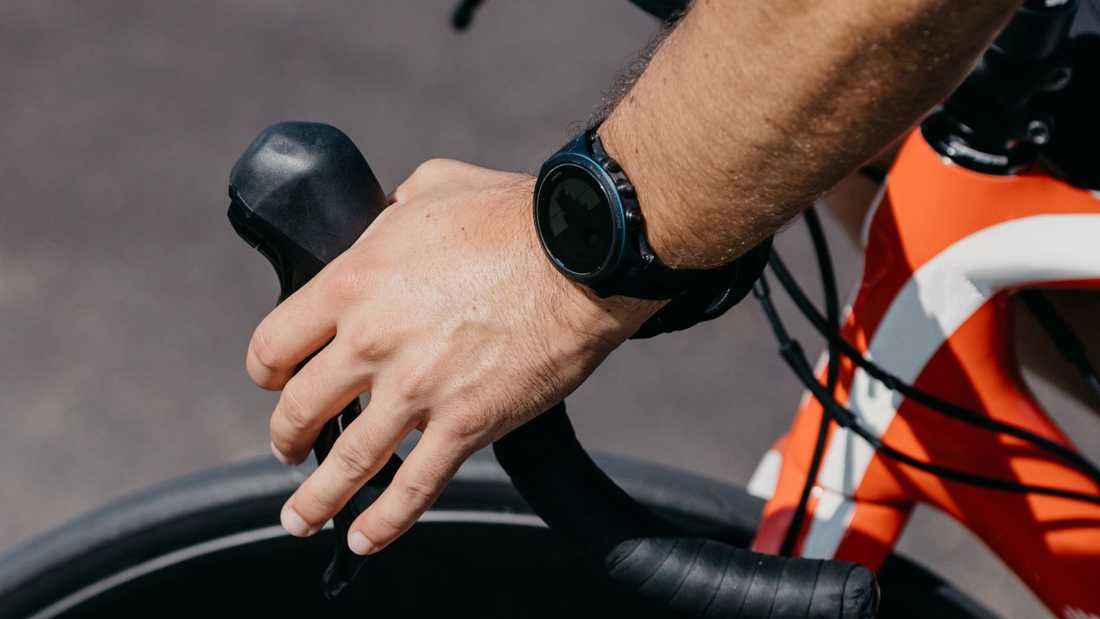
3. Padding and Grip
Padding sits under the palm where your weight rests on the bars. More padding can soften bumps, but thick pads can reduce feel. Check the listing for palm material and any grip details. Your reach and bar position also matter: read bike fit basics.
4. Weather
For cold rides, look for lined or wind-blocking styles. For rain, see how to ride a bike in the rain. Bar tape also affects comfort: see handlebar tape.
FAQ
Do I need cycling gloves?
No, but many riders like the padding, grip and palm protection, especially on longer rides.
Fingerless or full-finger cycling gloves?
Fingerless suits warm weather and road riding. Full-finger suits trails and cold weather.
How should cycling gloves fit?
Snug, with no loose fabric at the palm or fingertips. Check the maker size chart.
Can I use work gloves for biking?
They may work for short rides, but they are not padded for the bar and can feel bulky.
How do I wash cycling gloves?
Follow the care label on the pair, since materials differ.