
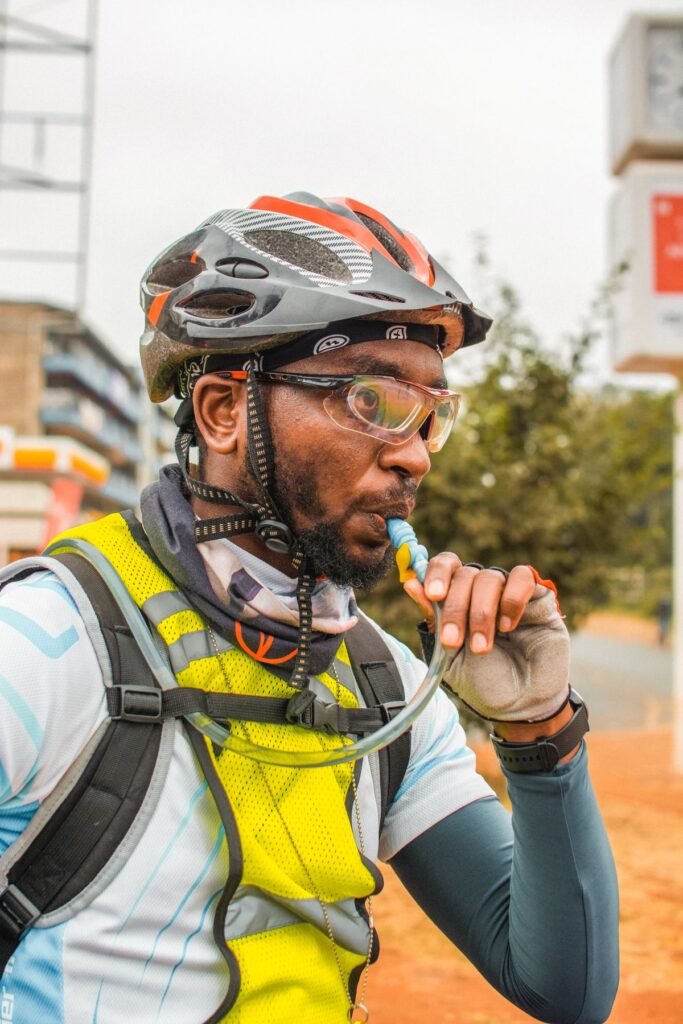
Quick answer: Our top pick in this guide to the best hydration packs for cycling (2026) is the CamelBak M.U.L.E. at about $110 (best overall). The runner-up is the CamelBak Lobo at about $100. The table below compares all picks by price and who each is best for.
The best hydration packs for cycling keep water flowing without a hand ever leaving the bars. A good one carries two to three liters, hugs your back on rough descents, and swallows the tools, layers and snacks a long ride demands. We compared the best-selling hydration packs on Amazon US in 2026 and picked six that cover mountain trails, gravel epics and budget first packs.
Disclosure: This guide contains affiliate links. If you buy through them, we may earn a small commission at no extra cost to you.
A pack pairs well with the multi-tool and mini pump from our repair kit guides, and eye protection from the cycling sunglasses roundup. More gear in the accessories category.
Quick Picks: The Best Hydration Packs for Cycling
| Pack | Reservoir | Cargo | Back panel | Typical price | Best for |
|---|---|---|---|---|---|
| CamelBak M.U.L.E. | 3L Crux | 12L | Air Support | ~$110 | Best overall |
| CamelBak Lobo | 3L Crux | 9L | Ventilated | ~$100 | Best for long rides |
| Osprey Raptor 14 | 2.5L Hydraulics | 14L | AirScape | ~$130 | Best MTB |
| Osprey Syncro 12 | 2.5L Hydraulics | 12L | AirSpeed suspended | ~$120 | Best ventilation |
| CamelBak Rogue Light | 2L Crux | 7L | Lightweight mesh | ~$75 | Best lightweight |
| TETON Oasis 18L | 2L included | 18L | Padded mesh | ~$35 | Best budget |

The 6 Best Hydration Packs, Reviewed
1. CamelBak M.U.L.E.: Best Overall
- Reservoir: 3L Crux with Quicklink disconnect
- Cargo: 12 liters, helmet carry, tool organizer
- Back panel: Air Support with body-mapping vents
- Extras: magnetic tube trap, waist belt
The M.U.L.E. has been the default mountain bike pack for two decades because nothing balances water, cargo and stability better. Three liters covers a three-hour ride, the 12-liter main compartment swallows pads and a jacket, and the magnetic tube trap keeps the hose exactly where your mouth expects it. The Air Support back panel genuinely moves air on climbs. If you buy one pack and stop thinking about it, this is the one.
Pros: proven layout, great ventilation, big reservoir, hose stays put. Cons: not cheap, and 12 liters is more than short-ride riders will ever fill.
2. CamelBak Lobo: Best for Long Rides
- Reservoir: 3L Crux, 100 oz
- Cargo: 9 liters, stretch overflow pocket
- Weight: about 1 lb 8 oz empty
- Fit: ventilated harness, removable waist belt
The Lobo trims the M.U.L.E. formula for riders who count hours rather than features. You keep the full 3 liters of water and the excellent Crux reservoir, lose a little organization, and gain a lighter, sleeker pack that disappears on rolling gravel. The stretch front pocket eats a wind shell without opening the main compartment, which is exactly what you want at mile 40.
Pros: full 3L capacity, light and sleek, quick-stash pocket, stable fit. Cons: fewer internal organizers than the M.U.L.E., and the waist belt is thinner.
3. Osprey Raptor 14: Best MTB
- Reservoir: 2.5L Hydraulics LT with bite valve magnet
- Cargo: 14 liters, roll-up tool pouch
- Carry: LidLock helmet attachment, hip wings with pockets
- Extras: blinker light mount, rain cover
The Raptor 14 is built for riders who carry a real trailside workshop. The lower compartment unrolls into a proper tool organizer with a place for every hex key and tire lever, the hip belt pockets keep gels and a phone within reach, and Osprey’s Hydraulics reservoir holds its shape so the pack never sloshes on steep descents. It is the pack enduro riders recommend to each other.
Pros: best tool organization here, stable on rough terrain, rain cover included, hip pockets. Cons: heaviest of the premium picks, and 2.5 liters is slightly less water than the CamelBaks.
4. Osprey Syncro 12: Best Ventilation
- Reservoir: 2.5L Hydraulics LT
- Back panel: AirSpeed suspended mesh trampoline
- Cargo: 12 liters, front shove-it pocket
- Extras: integrated rain cover, LidLock
If sweat-soaked backs are your complaint, the Syncro 12 is the fix. Its AirSpeed panel suspends the whole pack on a mesh trampoline, so air flows between the load and your spine instead of through a few foam channels. On humid climbs the difference is not subtle. Cargo and reservoir match the Raptor minus the tool roll, which makes it the better pick for riders who run hot rather than carry heavy.
Pros: coolest back panel in the category, light for its size, rain cover included. Cons: suspended frame costs a little interior space, and the hip fins are minimal.
5. CamelBak Rogue Light: Best Lightweight
- Reservoir: 2L Crux, 70 oz
- Weight: about 11 oz empty
- Cargo: 7 liters, dual stretch pockets
- Use: fast trail rides, gravel, racing
The Rogue Light is for rides where a big pack is the enemy. Two liters covers a hard two-hour effort, the whole thing weighs less than most water bottles, and the slim profile never catches on branches or shifts in corners. You give up the big cargo bay, so pack a tube and a multi-tool and accept that the kitchen sink stays home. For fast Tuesday-night loops, nothing here is better.
Pros: featherweight, barely-there feel, quality Crux reservoir, keen price. Cons: minimal padding and organization, and 2 liters runs short on all-day rides.
6. TETON Sports Oasis 18L: Best Budget
- Reservoir: 2L bladder included
- Cargo: 18 liters, multiple pockets
- Fit: adjustable chest and waist straps
- Extras: rain cover, bungee storage
The Oasis is the pack that answers “do I even like riding with a pack?” for $35. You get an 18-liter bag, a 2-liter bladder, a rain cover and actual organization for less than a third of the premium picks. The materials and the bite valve are a clear step below CamelBak and Osprey, but thousands of riders have learned they love hydration packs on exactly this one. Upgrade later if it sticks.
Pros: unbeatable price, big capacity, rain cover included, comfortable straps. Cons: bulkier on the back, and the reservoir quality lags the big brands.
How Much Water Do You Actually Need?
Plan for about 500 to 750 ml per hour of riding, more in heat. A 2-liter pack covers up to three hours for most riders; 3 liters stretches to four or five with a refill stop. Cargo follows the same logic: racing and short trail loops want 5 to 9 liters, all-day epics with layers and food want 12 to 14, and commuting with a change of clothes wants 18. Buy for your longest regular ride, not your dream ride.
Keeping the Bladder Clean
Rinse the reservoir after every ride and let it dry fully with the cap off; the wide-mouth Crux and Hydraulics openings make this easy. Deep clean monthly with warm water and a drop of dish soap or cleaning tablets, scrub the hose with a brush kit, and never leave sports drink sitting in the bladder overnight. Mold in the hose is the number one reason riders replace packs early, and it is entirely preventable.
How We Chose the Best Hydration Packs
We compared the best-selling and best-reviewed cycling hydration packs on Amazon US on the criteria that matter after mile ten: reservoir quality and ease of cleaning, back-panel ventilation, on-bike stability, pocket layout, and verified owner feedback on durability. Prices shown are typical US list prices at research time and move with sales.
Related guides: insulated bike water bottles, MTB hip packs.
FAQ: Best Hydration Packs for Cycling
Is a hydration pack better than water bottles?
For off-road riding, usually yes: you drink more often because the hose is always there, and the pack carries tools bottles cannot. For road riding, many prefer bottles for weight and aerodynamics. Plenty of riders run both.
Can you put sports drink or electrolytes in the reservoir?
Yes, but rinse the same day and deep clean more often, because sugar feeds mold fast. Many riders keep water in the bladder and carry drink mix in a bottle instead.
How do I stop the water tasting like plastic?
Fill the new bladder with warm water and a tablespoon of baking soda, soak an hour, rinse, then freeze the empty reservoir between rides. The taste fades after the first few uses; premium reservoirs like the Crux have less of it from day one.
What size hydration pack do I need for mountain biking?
Most trail riders land on 10 to 14 liters of cargo with a 2.5 to 3 liter reservoir: enough for water, tools, a layer and snacks on a three-hour ride. The M.U.L.E. and Raptor 14 sit exactly in that sweet spot.
The Bottom Line
The CamelBak M.U.L.E. is the best hydration pack for most riders in 2026, the Osprey Raptor 14 is the trailside-workshop champion, and the Syncro 12 keeps the sweatiest backs driest. On a budget, the TETON Oasis gets you drinking hands-free for $35. Fill it, wear it, and drink before you are thirsty.