
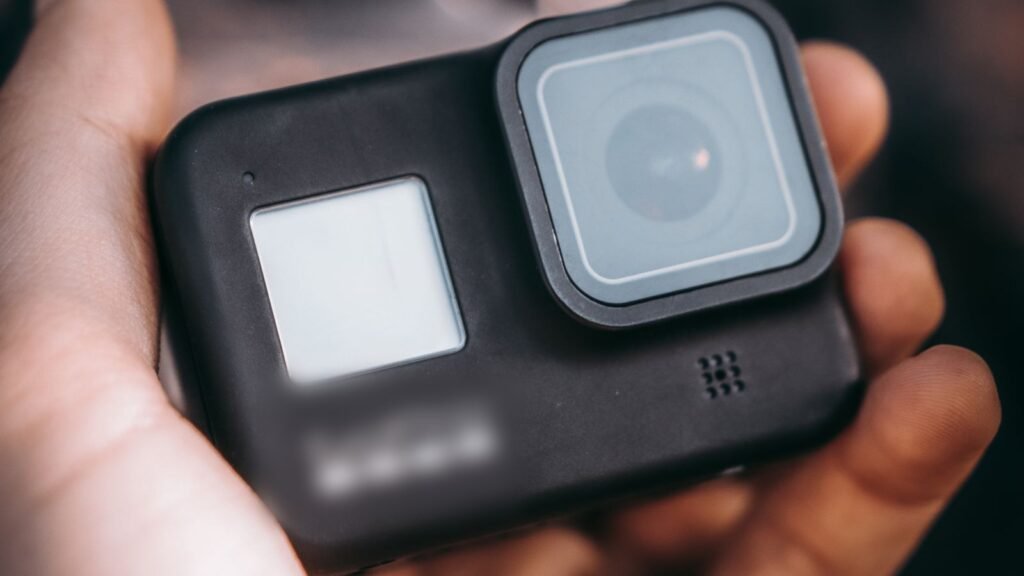
Quick answer: The best bike camera for most riders is the GoPro HERO12 Black at $297.00, with about 1,169 ratings averaging 4.5 stars. The DJI Osmo Action 4 Adventure Combo is the battery-life pick at $279.00, the Insta360 X3 is the best 360 camera at $229.99, the Insta360 GO 3S is the tiny POV choice at $349.99, the AKASO Brave 7 is the budget buy at $139.99, and the Garmin Varia RCT715 is the safety pick that combines a rear radar, tail light, and camera at $299.99.
A bike camera does two jobs: it captures the rides worth remembering, and it records the rides you hope never happen. The best bike cameras stabilize rough handlebar footage, survive rain, and mount where you actually want them, while a new class of safety cameras like the Garmin Varia records traffic behind you automatically. We compared the action cameras and bike-specific cameras riders buy most on Amazon and picked the six best for 2026, from $139.99 to $349.99. Mounting on the bars? Our best bike phone mounts guide covers the cockpit setup that pairs well with these.
Quick Picks: Best Bike Cameras at a Glance
| Rank | Camera | Best For | Price |
|---|---|---|---|
| 1 | GoPro HERO12 Black | Best Overall | $297.00 |
| 2 | DJI Osmo Action 4 Adventure Combo | Best Battery Life | $279.00 |
| 3 | Insta360 X3 360 Camera | Best 360 Camera | $229.99 |
| 4 | Insta360 GO 3S 64GB | Best Tiny POV Camera | $349.99 |
| 5 | AKASO Brave 7 | Best Budget | $139.99 |
| 6 | Garmin Varia RCT715 Radar Camera Tail Light | Best for Safety | $299.99 |
1. GoPro HERO12 Black – Best Overall
The GoPro HERO12 Black is the default choice for a reason, with about 1,169 ratings averaging 4.5 stars. It shoots 5.3K60 video with HDR and 27MP photos, and HyperSmooth 6.0 stabilization is the benchmark that keeps handlebar and chest footage watchable on rough ground per the listing. It is waterproof to 33 feet without a case, and the standard GoPro mount ecosystem means every bike mount ever made fits it. The Quik app pulls clips and photos off automatically, and the HERO12’s improved battery management doubles runtime over the HERO11 per GoPro’s claims.
Pros: Best-in-class stabilization; 5.3K HDR video; huge mount ecosystem; waterproof without a case.
Cons: Small review base compared to older models; premium price without accessories.
Who it’s for: Riders who want the proven flagship that works with every mount.
2. DJI Osmo Action 4 Adventure Combo – Best Battery Life
The DJI Osmo Action 4 is the endurance pick, with about 2,798 ratings averaging 4.6 stars. Its 1770mAh battery lasts up to 150 minutes and works down to -20C per the listing, so winter rides and all-day epics are covered. The 1/1.3-inch sensor with 10-bit color and D-Log M gives it the best low-light footage in this class, which matters on dawn and dusk rides. This Adventure Combo adds extra batteries and mounts over the standard pack. 4K at 120fps with a 155-degree field of view makes for smooth slow-motion trail replays.
Pros: 150-minute battery; best low-light sensor here; 4K120 slow motion; cold-resistant.
Cons: No 5.3K option; DJI Mimo app required for full features.
Who it’s for: Riders who film long rides and hate changing batteries.
3. Insta360 X3 360 Camera – Best 360 Camera
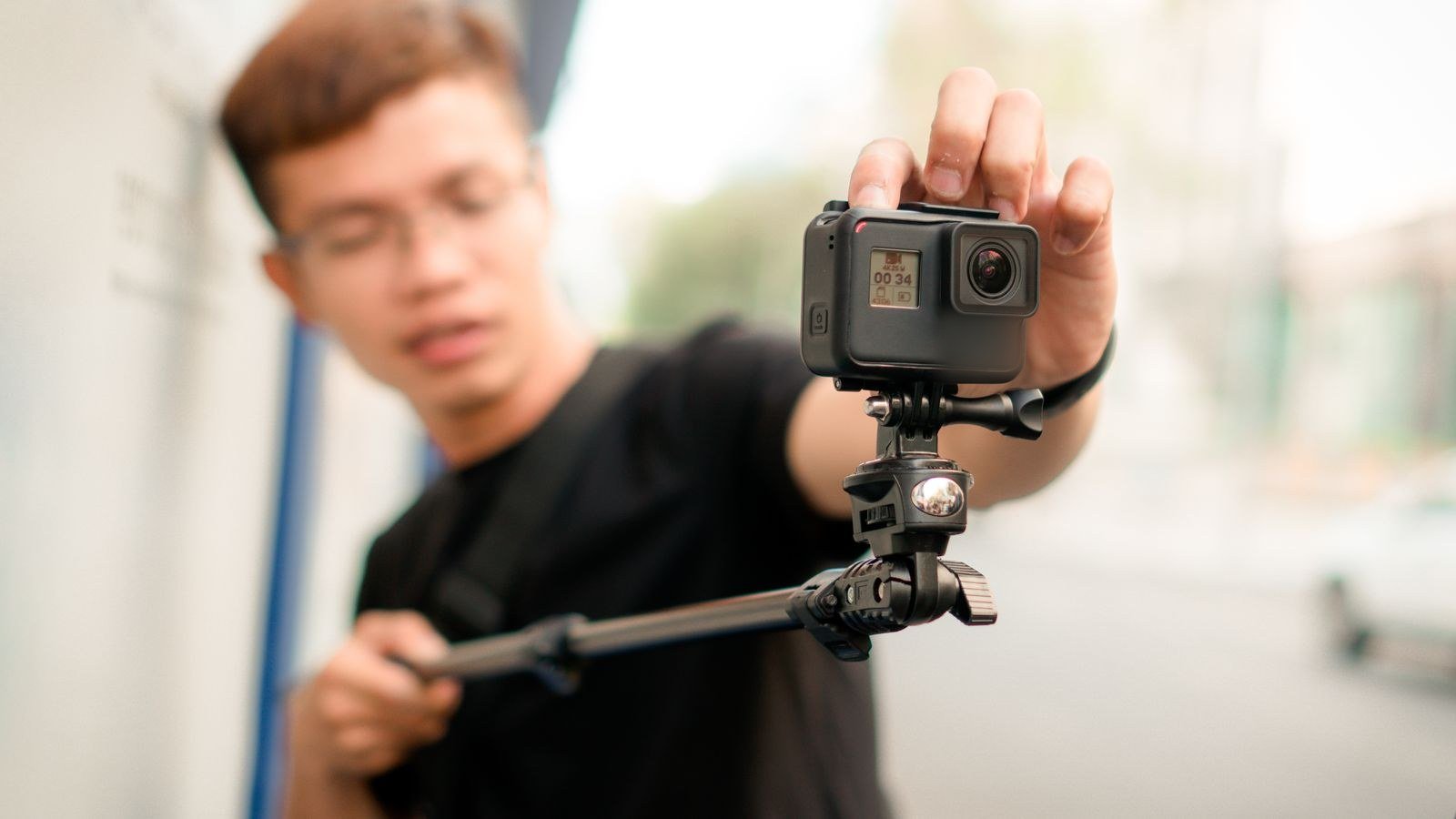
The Insta360 X3 is the creative pick, with about 6,883 ratings averaging 4.6 stars, the biggest review base here. It films everything around you in 5.7K 360, then you choose the angle afterwards in the app: mount it once on a selfie stick or bar mount and never think about framing again. It also works as a normal 4K action camera with a 170-degree MaxView mode, and FlowState stabilization plus Horizon Lock keep footage level through corners per the listing. The invisible-selfie-stick effect is the cleanest way to get follow-cam cycling shots without a drone.
Pros: Film first, frame later; huge 4.6-star review base; doubles as a 4K action cam; great stabilization.
Cons: 360 files are big and editing takes longer; lenses are exposed and scratch-prone.
Who it’s for: Riders who want cinematic follow-cam shots with zero framing effort.
4. Insta360 GO 3S 64GB – Best Tiny POV Camera
The Insta360 GO 3S is a 4K camera the size of your thumb at just 39 grams, and it changes what a bike camera can be: clip it to a helmet brim, stick it to a frame tube with the magnetic mount, or wear it on the pendant for true hands-free POV per the listing. The separate Action Pod adds a flip screen, remote control, live preview, and up to 140 minutes of battery life, and it charges the camera while you shoot. FlowState stabilization keeps the tiny footage smooth. Note this is a newer listing with a small review base, so we have not quoted a rating.
Pros: 39-gram 4K camera mounts anywhere; hands-free POV; Action Pod extends battery to 140 minutes.
Cons: Premium price for the size; short battery without the pod; small review base.
Who it’s for: Riders who want invisible, weightless POV footage.
5. AKASO Brave 7 – Best Budget
The AKASO Brave 7 is the budget pick, with about 2,051 ratings averaging 4.3 stars. It shoots 4K30 video and 20MP photos, is waterproof to 33 feet without a case, and includes both a front selfie screen and a rear touch screen per the listing. The bundled wrist remote mirrors the camera status on its own LCD so you can confirm recording without reaching for the bars. EIS 2.0 stabilization smooths footage, and at $139.99 it costs less than half the GoPro while covering the fundamentals.
Pros: Lowest price here; dual screens; waterproof without a case; LCD remote included.
Cons: Stabilization and low-light lag the big brands; 4.3-star average is the lowest here.
Who it’s for: New riders who want capable footage without flagship money.
6. Garmin Varia RCT715 Radar Camera Tail Light – Best for Safety
The Garmin Varia RCT715 is not an action camera at all: it is a rearview radar, tail light, and always-on incident camera in one, with about 370 ratings averaging 4.6 stars. The radar detects cars approaching from up to 153 yards back and alerts you through an Edge computer, Garmin watch, or the Varia phone app, while the camera records 1080p and automatically saves footage before, during, and after a detected incident per the listing. Three modes stretch battery up to 6 hours with day flash, and a 16GB SD card is included. For road riders who share lanes with traffic, this is the camera that matters most.
Pros: Radar plus camera plus tail light in one; automatic incident capture; 4 to 6 hour battery; SD card included.
Cons: 1080p rear footage only, not for ride films; works best within the Garmin ecosystem.
Who it’s for: Road riders who want a black-box recorder watching their back.
How We Chose the Best Bike Cameras
We started with action cameras and bike-specific cameras sold on Amazon US that show a live price and an active offer today, and dropped listings that were unavailable or had no buyable offer when we checked. That removed the GoPro HERO13 (no current offer on the main listing), the Insta360 X4 (unavailable), and both Cycliq Fly6 generations (no buyable offer). Third-party bundles with thin review bases, like the Ultimaxx HERO12 bundle, were also excluded. We compared video resolution and frame rates, stabilization, waterproofing, battery life, mounting options, and owner ratings. Two picks are from Insta360 because the X3 and GO 3S are entirely different tools (a 360 camera versus a thumb-sized POV camera); we kept both and flagged it here. The GO 3S listing is newer with a small review base, so its rating is not stated below. Video specs and battery claims are the listings’ claims. Pair a camera with visibility from our best bike lights guide for night footage.
Related guides: action camera chest mounts, action camera bike mounts.
FAQ
Is it worth having a camera on your bike?
For most riders, yes, for one of two reasons. Action cameras like the GoPro and Insta360 turn good rides into shareable footage. Safety cameras like the Garmin Varia RCT715 record traffic behind you and save clips automatically when an incident is detected, which is invaluable evidence after a close pass or collision. Many road riders run one of each.
Where should you mount an action camera on a bike?
Handlebar mounts are the most stable and the easiest to check while riding. Chest mounts give a natural POV that includes the bars and trail. Helmet mounts capture where you look but amplify head movement. For 360 cameras like the Insta360 X3, an extended selfie stick mounted to the frame or held creates the drone-style follow shot.
What video settings should you use for cycling?
1080p or 4K at 60fps is the sweet spot for most riders: smooth motion, reasonable file sizes, and enough resolution to crop. Use 120fps or higher for slow-motion sections. Turn stabilization on and set the field of view to wide or linear; super-wide fisheye looks fast but distorts the horizon on road rides.
How long do action camera batteries last on a ride?
Plan on 60 to 150 minutes of continuous recording depending on the camera and settings: the DJI Osmo Action 4 claims up to 150 minutes, while tiny cameras like the GO 3S need their charging pod for long days. Carry a spare battery or a small power bank for all-day rides, and drop to 1080p to stretch runtime.
Do you need a license or permission to film while cycling?
Filming on public roads and trails is generally legal in the US, and handlebar or helmet cameras are treated like any personal recording. Posting identifiable faces or plates online is where etiquette and occasional state rules come in; blur them if you share footage of an incident publicly, and keep raw clips intact if you might need them as evidence.
Affiliate disclosure: As an Amazon Associate, we earn from qualifying purchases made through links in this article. This doesn’t affect the price you pay, and it helps us keep producing free, independent bike guides.