
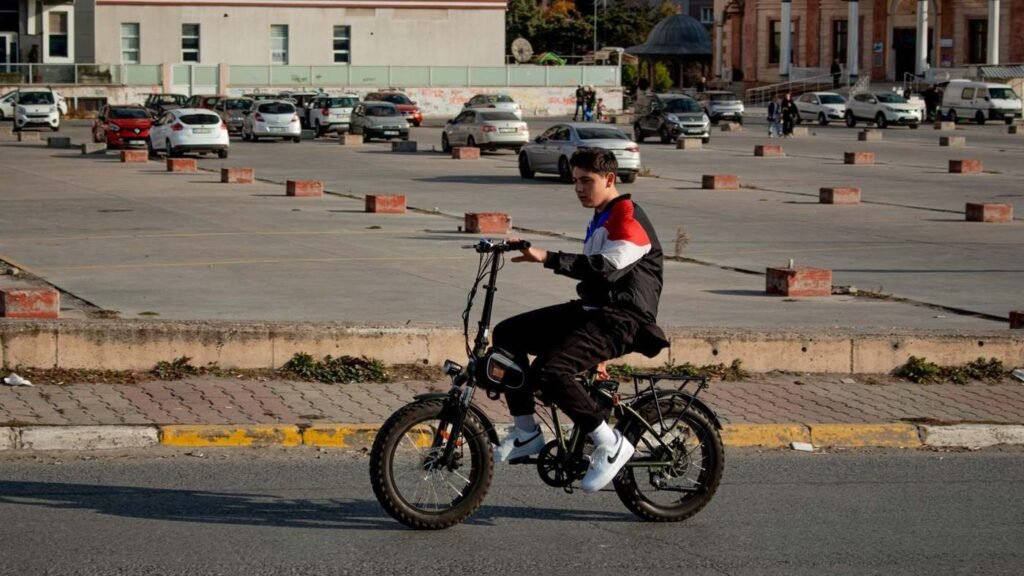
Quick answer: In the US three e-bike classes are common. Class 1 has pedal assist only and the motor stops helping at 20 mph. Class 2 adds a throttle that can power the bike up to 20 mph. Class 3 has pedal assist that continues up to 28 mph. Where you may ride each class depends on your state, city and the trail, so check local rules before you buy.
E-bike class labels show up on bike listings, in state laws and on trail signs, and most buyers do not know what they mean. The class decides how the motor helps, how fast it assists and often where you can legally ride. Once you know the class you want, compare bikes in our best electric bikes under $1,000, best electric bikes for commuting and best budget electric bikes guides.
The Three E-Bike Classes at a Glance
| Class | How the motor helps | Assist stops at |
|---|---|---|
| Class 1 | Pedal assist only. The motor works only while you pedal. | 20 mph |
| Class 2 | Throttle. The motor can move the bike without pedaling. | 20 mph |
| Class 3 | Pedal assist only, at higher speeds. Many states require a speedometer. | 28 mph |
You can still ride faster than the assist limit by pedaling harder or going downhill. The class only describes where the motor stops helping.
What the Federal Rule Says
Federal law treats a low-speed electric bicycle as a consumer product, not a motor vehicle, when it has working pedals, a motor under 750 watts and a top motor-only speed under 20 mph. Each state then sets its own rules for the three classes, including where each class may ride, minimum ages and whether a helmet is required.
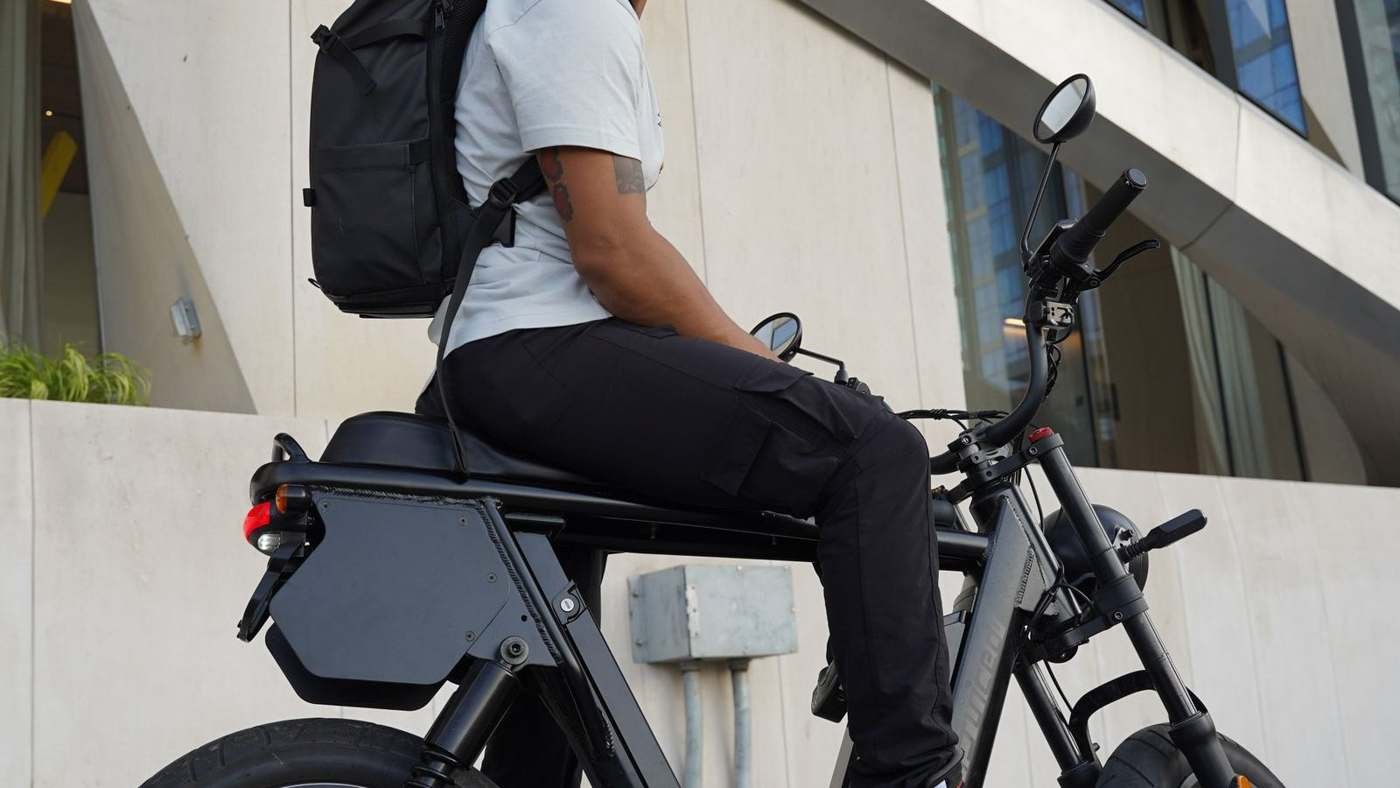
Which E-Bike Class Should You Choose?
- Class 1 is the most widely accepted on shared paths and trails. It suits relaxed commuting and fitness riding.
- Class 2 suits riders who want a throttle for starting from a stop, hills or lower effort. Throttle bikes are restricted on some paths.
- Class 3 suits longer commutes on roads and bike lanes where you want to keep up with traffic. It is often restricted from multi-use paths.
If you ride on mixed roads and paths, Class 1 or a Class 2 with a speed limiter is the simplest to use. Check what the listing and your state allow.
Check Your Local Rules Before You Buy
State and local rules differ on helmets, age limits, trail access and where Class 3 bikes may go. Check your state transport or parks department website, and the sign at your local trail. A good e-bike helmet is a smart purchase whatever the law says, and a sturdy lock matters as well. See the best Kryptonite bike locks if you will park outside.
E-Bike Classes for Specific Riders
Commuters often prefer Class 1 or Class 3 for steady assist. Seniors may like the throttle on a Class 2, as in our best electric bikes for seniors. Riders who want folding storage can look at the best folding electric bikes, and the best fat tire electric bikes suit sand, gravel and snow.
FAQ
What is a Class 1 e-bike?
A Class 1 e-bike has pedal assist only, with no throttle, and the motor stops helping at 20 mph.
What is a Class 2 e-bike?
A Class 2 e-bike has a throttle that can move the bike without pedaling, and the motor assist ends at 20 mph.
What is a Class 3 e-bike?
A Class 3 e-bike has pedal assist that continues up to 28 mph. Many states require a speedometer and restrict where it may ride.
Do I need a license for an e-bike?
Rules vary by state and class. Many states do not require a license or registration for Class 1, 2 and 3 e-bikes, but some set age limits or helmet rules. Check your local rules.
Can I ride an e-bike on a bike path?
It depends on the class and the path. Class 1 is the most widely allowed, and Class 3 is the most restricted. Look for signs and check local rules.