
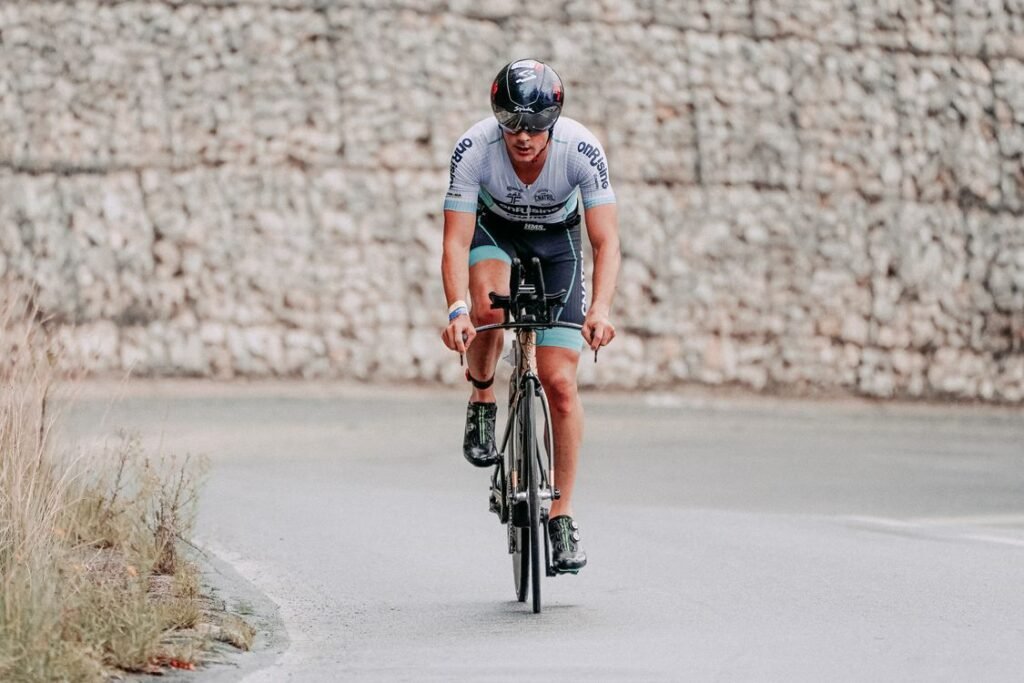
Quick answer: Our top pick in this guide to the best bike helmets with mips is the Giro Fixture MIPS at about $70 (best overall). The runner-up is the Smith Signal MIPS at about $100. The table below compares all picks by price and who each is best for.
The best bike helmets with MIPS put a proven rotational-impact liner between you and the pavement without asking premium prices. Every major helmet brand now offers MIPS across its range, and every pick below is stocked at Amazon US at the time of writing.
Our six picks cover road, trail, commuting, and pure value, all with genuine MIPS liners and current safety certifications.
Disclosure: Push Bicycle is reader-supported. If you buy through links on our site, we may earn an affiliate commission at no extra cost to you. Our picks are independent and based on our own research.
Related guide: types of bike helmets.
The best bike helmets with MIPS at a glance
| Helmet | Best for | Approx. price |
|---|---|---|
| Giro Fixture MIPS | Best overall | ~$70 |
| Smith Signal MIPS | Best for road | ~$100 |
| Smith Convoy MIPS | Best for mountain biking | ~$90 |
| Bell Spark MIPS | Best for trail | ~$75 |
| Bell Trace MIPS | Best for commuting | ~$65 |
| Specialized Align II MIPS | Best value | ~$55 |
How we chose the best bike helmets with MIPS
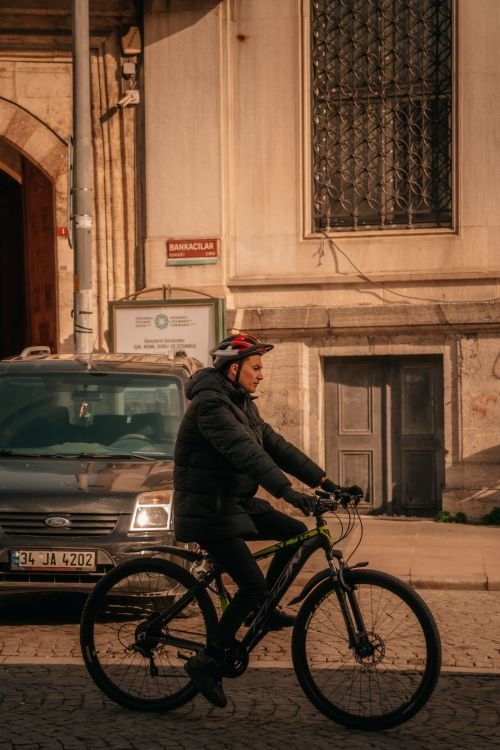
MIPS is a low-friction liner that lets the helmet shell rotate slightly around your head in an angled impact, reducing the rotational forces linked to brain injury. It is not the only rotational-protection system, but it is the most widely licensed and independently tested. Every helmet here uses the genuine article, carries CPSC certification for the US market, and comes from a brand with real crash-replacement support.
Beyond safety tech we weighed fit systems (a helmet that moves is a helmet that fails), ventilation, weight, visor design where relevant, and long-term owner feedback on strap durability and pad wear. Prices move around on Amazon, so treat the figures below as recent list-price approximations and check the current listing.
1. Giro Fixture MIPS — Best overall
~$70 | MIPS liner | universal adult fit (54-61 cm) | in-mold shell | 18 vents
The Fixture MIPS is the helmet we would hand to almost any rider: a one-size-fits-most shell with Giro’s Roc Loc Sport fit system, deep coverage at the back of the head, and ventilation that works at trail speeds. It looks like helmets costing twice as much and disappears on your head within minutes.
For road, gravel, commuting, and light trail duty, one helmet that does everything this well at $70 is hard to argue with.
Pros: excellent fit system; deep rear coverage; big vents; universal fit actually fits most heads.
Cons: universal sizing will not suit very small or very large heads; visor is fixed.
2. Smith Signal MIPS — Best for road
~$100 | MIPS liner | Koroyd-free lightweight shell | adjustable VaporFit-style dial | road-tuned vents
The Signal MIPS is Smith’s road-focused sweet spot: a light, sleek shell with channelled vents that pull air across your head at riding speed and a precise dial fit system. The shape suits riders who find Giro too round, and the low profile avoids the mushroom look.
For road riders who want MIPS without an aero-tax or a weight penalty, this is the pick.
Pros: light and low-profile; strong ventilation at speed; precise fit dial.
Cons: top of the price bracket; no visor; pads run thin over time.
3. Smith Convoy MIPS — Best for mountain biking
~$90 | MIPS liner | extended rear coverage | adjustable visor | MTB-tuned venting
The Convoy MIPS brings Smith’s fit and finish to trail riding: deeper coverage around the back and sides, an adjustable visor that clears goggles when flipped up, and vents sized for slower, sweatier climbing speeds. The shell shrugs off branch strikes and the occasional drop in the parking lot.
For dedicated off-road riders, it is the most trail-ready helmet in this list.
Pros: real MTB coverage; goggle-friendly visor; sturdy shell.
Cons: warmer than road lids on long climbs; slightly heavier; fewer color options.
4. Bell Spark MIPS — Best for trail
~$75 | MIPS liner | 13 vents | adjustable visor | universal adult fit
Bell’s Spark MIPS covers the same trail brief as the Convoy for less money: extended coverage, a big adjustable visor, and Bell’s Ergo Fit dial that cinches down evenly. Ventilation is a step behind the Smith on slow climbs, but on flowing descents it is more than adequate.
For riders building a trail kit on a budget, the Spark is the value play that still says MIPS on the box.
Pros: trail coverage at a mid-range price; easy one-hand fit dial; solid visor.
Cons: runs warm on climbs; universal fit runs slightly small; fewer premium touches.
5. Bell Trace MIPS — Best for commuting
~$65 | MIPS liner | 16 vents | removable visor | universal fit
The Trace MIPS is the everyday helmet done right: neutral styling that looks normal off the bike, a removable visor, plenty of vents for stop-and-go city heat, and the same Ergo Fit dial as the Spark. It plays nicely with glasses and ponytails, which matters more at 8 a.m. than any spec sheet.
For commuters and fitness riders, it is the no-drama choice.
Pros: understated looks; comfortable for daily use; removable visor; glasses-friendly.
Cons: not as airy as pure road helmets; single shell size; basic straps.
6. Specialized Align II MIPS — Best value
~$55 | MIPS liner | Headset SX fit system | 4th Dimension cooling | three shell sizes
The Align II MIPS is the cheapest way to get a genuine MIPS helmet from a top-tier brand. Specialized offers it in three actual shell sizes rather than one-size-fits-most, the Headset SX dial is simple and even, and the 4th Dimension vent layout cools well above its price point.
If you want MIPS, a proper brand, and the lowest bill, the search ends here.
Pros: genuine MIPS at the lowest price here; three real sizes; good ventilation.
Cons: fewer premium finishes; fit dial is basic; styling is plain.
Frequently asked questions
Is MIPS actually worth it in a bike helmet?
Independent lab testing, including Virginia Tech’s widely cited helmet ratings, consistently shows MIPS-equipped helmets performing better in angled-impact simulations than identical shells without it. For the $10-20 it typically adds, it is the best-value safety upgrade in cycling.
How do I know if a helmet has real MIPS?
Look for the yellow MIPS logo on the shell or the liner itself, which is usually yellow plastic visible inside the helmet. Every helmet in this list is a genuine MIPS model from the brand’s own listing.
How often should I replace my helmet?
Replace any helmet after a crash, even a minor one, and every three to five years otherwise: UV, sweat, and everyday knocks degrade the foam and straps. MIPS liner or not, an old helmet is a weak helmet.
Should a helmet fit tight or loose?
Snug. It should sit level on your head, two finger-widths above your eyebrows, and not shift when you shake your head with the straps unbuckled. The dial system fine-tunes it; the shell size does the heavy lifting.
Can I use a mountain bike helmet on the road?
Absolutely. MTB helmets trade a little aerodynamics and ventilation at high speed for more rear coverage and a visor. Many riders use one helmet for everything, and picks like the Giro Fixture are designed exactly for that.
Prices and availability change. Check the current listing before you buy. Shopping by budget or discipline? See our guides to the best bike helmets under $50, the best bike helmets under $100, the best road bike helmets, and the best mountain bike helmets.