
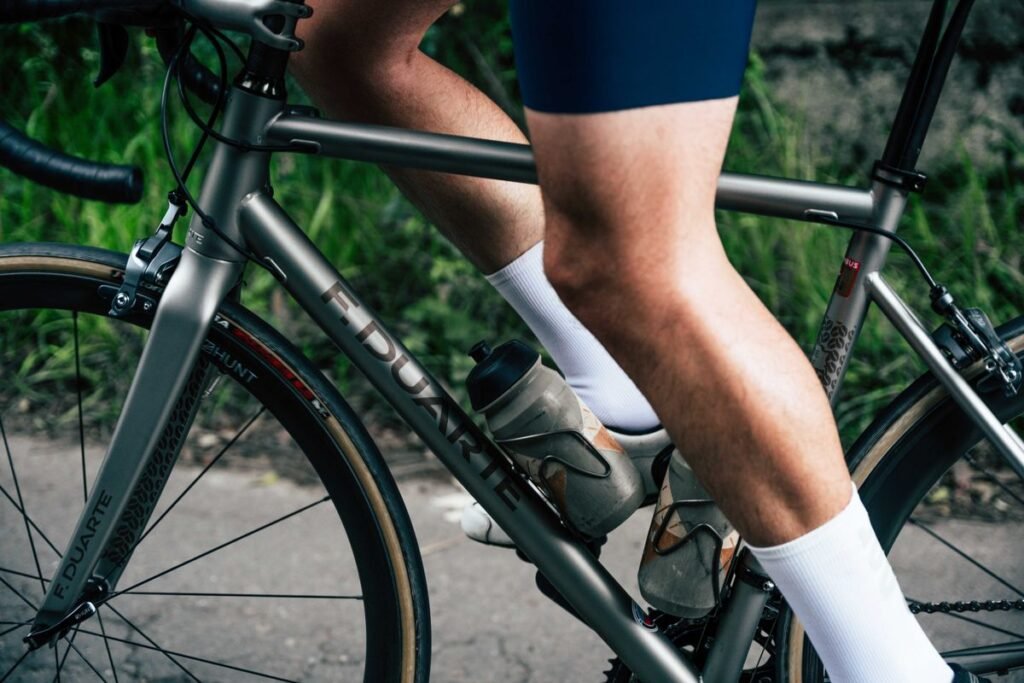
Quick answer: Our top pick in this guide to the best cycling leg warmers (2026) is the Castelli Seamless at $35 (overall). The runner-up is the PEARL iZUMi Softshell at $50. The table below compares all picks by price and who each is best for.
The best cycling leg warmers turn your summer bib shorts into a three-season system: they add warmth for cold mornings, peel off when the day warms up, and pack into a jersey pocket smaller than an energy bar. Like arm warmers, they are the most cost-effective way to extend your riding season without buying thermal tights. We compared the proven options from light lycra to windproof softshell to find the pairs worth owning.
Disclosure: This article contains links to products on Amazon. If you buy through these links, we may earn a small commission at no extra cost to you.
Quick picks
| Leg warmer | Best for | Fabric | Price (approx.) |
|---|---|---|---|
| Castelli Seamless | Overall | Seamless knit | $35 |
| PEARL iZUMi Softshell | Cold and wet | Windproof softshell | $50 |
| GORE Shield | Windy rides | Windstopper panels | $40 |
| GripGrab Classic Thermal | Value | Brushed thermal | $30 |
| Castelli Lycra | Mild days | Light lycra | $30 |
| PEARL iZUMi Elite Thermal | Fit | Thermal fleece | $35 |
1. Castelli Seamless — best overall
Castelli’s seamless construction removes the one thing that makes cheap leg warmers unbearable on long rides: a seam rubbing behind the knee for four hours. The knit is warm enough for the 40s, breathes on climbs, and the wide silicone grippers stay put on bare skin or over shorts. The simplest, most comfortable option for most riders.
Check price on Amazon (about $35)
- Pros: no seams behind the knee; soft and warm; reliable grippers; packs small.
- Cons: no wind or water protection; single knit weight limits the cold range.
Specs: seamless stretch knit; silicone thigh grippers; unisex sizes S-L.
2. PEARL iZUMi Softshell — best for cold and wet
The Softshell leg warmer adds a windproof, water-resistant face fabric to a thermal fleece backing: real protection for wet, windy days in the 30s and 40s. An articulated knee keeps the fit smooth through the pedal stroke, and the ankle zippers make them easy to remove over shoes.
Check price on Amazon (about $50)
- Pros: wind and water protection; warm thermal interior; ankle zips; articulated fit.
- Cons: bulkier in a pocket; premium price for leg warmers.
Specs: windproof softshell face; thermal fleece back; ankle zippers; silicone grippers; sizes XS-XL.
3. GORE Shield — best for windy rides
Gore’s Shield warmers put Windstopper fabric where it matters, on the front-facing panels, while keeping the back breathable. The result blocks wind chill on fast descents without turning into a sauna on climbs. A strong pick for exposed roads and riders who run cold in wind.
Check price on Amazon (about $40)
- Pros: windproof front panels; breathable back; flat seams; secure gripper band.
- Cons: less warm than full thermal in still cold air; snug sizing.
Specs: Windstopper front panels; stretch thermal back; silicone grippers; sizes S-XXL.
4. GripGrab Classic Thermal — best value
The GripGrab Classic delivers brushed thermal fabric, anti-slip silicone grippers and a pre-shaped knee at a price that makes buying two pairs reasonable. Danish design for real winter conditions without the premium-brand markup.
Check price on Amazon (about $30)
- Pros: strong value; warm brushed interior; reliable grippers; reflective details.
- Cons: slightly heavier knit; fewer size options than Castelli.
Specs: brushed thermal fabric; silicone thigh grippers; reflective logos; unisex sizes.
5. Castelli Lycra — best for mild days
A thin lycra leg warmer for the 50s and 60s: sun protection, a touch of warmth on early starts, and almost no bulk in a pocket. If your climate rarely sees real cold, this is the pair you will actually carry and use all year.
Check price on Amazon (about $30)
- Pros: ultralight and packable; cool in mild temps; smooth fit under shorts; simple care.
- Cons: minimal warmth; white shows road grime quickly.
Specs: light lycra; silicone grippers; white and black options; unisex sizes.
6. PEARL iZUMi Elite Thermal — best fit
The Elite Thermal earns its place on fit: an articulated, left-right specific shape that follows the leg through the pedal stroke without bunching behind the knee. The thermal fleece is warm into the mid-40s and the wide gripper distributes pressure without the dreaded sausage-leg pinch.
Check price on Amazon (about $35)
- Pros: excellent articulated fit; comfortable wide gripper; warm thermal fleece; durable.
- Cons: no windproofing; ankle without zips, remove before shoes.
Specs: Elite thermal fleece; left/right specific; silicone gripper; sizes XS-XL.
How we chose
We prioritized warmers that stay up without constant tugging, fabrics matched to real temperature ranges and construction that survives weekly washing. Behind-the-knee comfort got extra weight because that is where bad warmers fail first. The list covers mild-day lycra to windproof softshell, because the right warmth depends on your climate.
Choosing leg warmers by temperature
Light lycra covers roughly 60-70 degrees, thermal knits handle 45-60, and windproof softshell extends into the 30s with rain protection. Most riders in variable climates start with a thermal pair, which covers the widest range with a single purchase. Size snug: loose warmers slide down and bunch at the knee, and no gripper fixes a size too big.
Wearing and caring for leg warmers
Pull warmers on before your shorts sit fully in place, then settle the short cuff over the top gripper so it anchors the warmer. The top of the warmer should reach mid-thigh under the short, and the ankle should overlap your sock. Peel them to the ankles while riding if you overheat, and stash them in a center jersey pocket. Wash cold and skip the dryer to protect the elastic and silicone.
Related guides: cycling arm warmers, cycling bib tights, cycling knee warmers.
FAQ
Leg warmers or thermal bib tights?
Warmers win on versatility: one pair of bibs plus warmers covers a 25-degree swing. Thermal tights fit cleaner for consistently cold climates and deep winter. Most riders own both eventually, starting with warmers.
Should leg warmers go over or under socks?
Over the sock at the ankle, so the warmer seals against the sock and keeps drafts out. In rain, some riders tuck the warmer into the shoe cover for a drier seal.
Do I need left-right specific warmers?
Not required, but articulated left-right designs bunch less behind the knee on long rides. Once you have ridden a shaped pair, straight-tube warmers feel noticeably crude.
Related guides
Build your layering system with the best arm warmers for cycling, the best cycling base layers and the best cycling shorts. Our best winter cycling gloves guide covers your hands.