

Quick answer: To choose a commuter bike, think about your route first. Flat, short trips suit a simple city or hybrid bike with an upright seat. Hills or longer distances call for more gears. Look for a frame that fits you, fenders, a rack or room for a basket, and mounts for lights. Set aside part of the budget for a good lock, lights and a helmet.
A commuter bike is the one you actually ride every day, so comfort and practical features matter more than speed. Here is what to check.
1. Pick the Style
Hybrids are a common all-round pick, with an upright position and room for racks and fenders. Road bikes are faster but less relaxed. Compare commuter bike vs road bike and hybrid vs road bike, then browse commuter bikes and hybrid bikes.
2. Get the Fit Right
A bike that fits is easier on your back and knees. Use the maker size chart and read the bike frame size chart guide. A comfortable seat helps on daily rides: see how to choose a bike saddle.
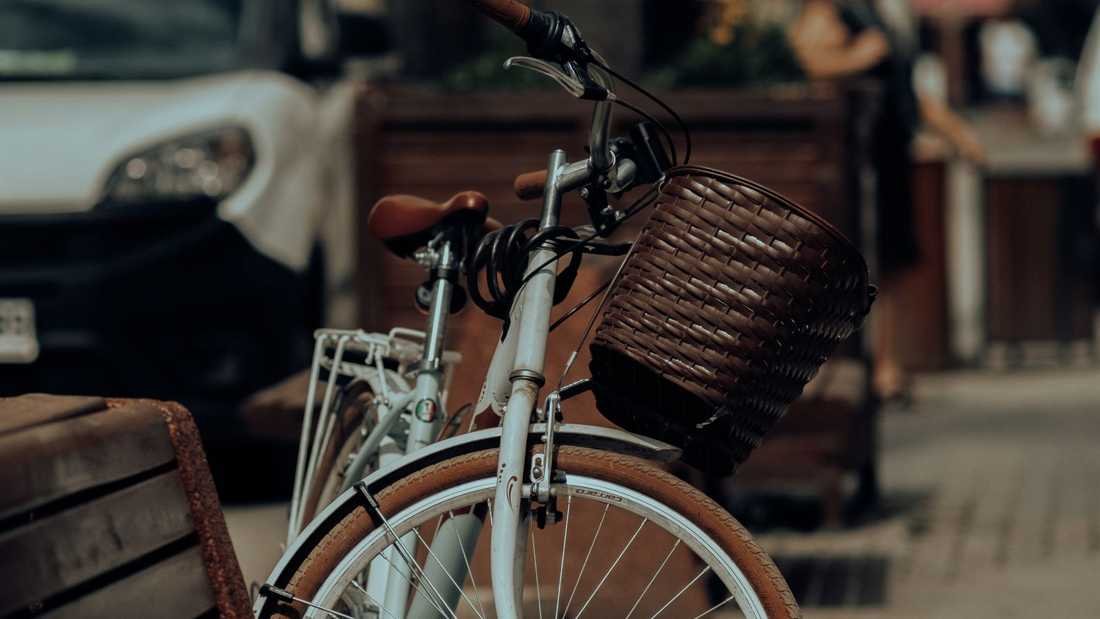
3. Practical Features
Look for mounts for fenders and a rack, or room for a basket. See how to choose a bike basket for carrying gear. Check for enough gears for your hills, and decide whether you want a chain guard to keep trousers clean.
4. Budget for the Extras
Plan for lights, a lock and a helmet. Read how to lock a bike, how much a good bike costs and commuting tips for beginners.
FAQ
What is the best type of bike for commuting?
A hybrid or city bike is a common choice for its upright position and practical mounts. The best one depends on your route.
Do I need gears for commuting?
If your route is flat, few gears can be fine. For hills or longer trips, more gears help.
Should a commuter bike have fenders?
Fenders help keep you cleaner in wet weather, so look for a frame with mounts.
How do I carry things on a commuter bike?
A rear rack with panniers, or a basket, are common options.
How much should I budget besides the bike?
Plan for a lock, lights and a helmet, and set aside money for basic upkeep.