
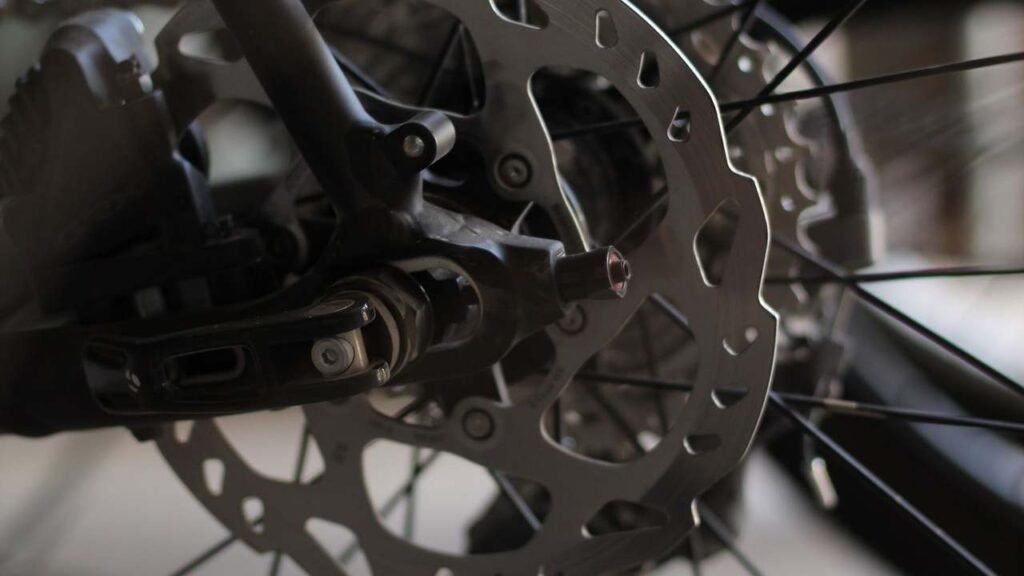
Quick answer: The best bike rotor for most riders is the Shimano SM-RT66 SLX at $32.84, with about 1,027 ratings averaging 4.6 stars. The Shimano SM-RT56 is the value pick at $22.94, the SRAM CenterLine Rounded is the SRAM favorite at $31.92, the SRAM CenterLine two-piece is the heat-management upgrade at $55.10, the SRAM CenterLine 180mm is the big-rotor option at $53.00, and the Galfer Wave CL is the premium choice at $78.98.
Squealing, pulsing brakes usually trace back to a glazed, warped, or worn-through rotor, and a fresh rotor is one of the cheapest ways to restore real stopping power. We compared the disc brake rotors riders buy most on Amazon and picked the six best for 2026, from $22.94 to $78.98. Fresh rotors bed in best with fresh pads, so see the brake pads we recommend while you are at it.
Quick Picks: Best Bike Rotors at a Glance
| Rank | Rotor | Best For | Price |
|---|---|---|---|
| 1 | Shimano SM-RT66 SLX 6-Bolt Rotor | Best Overall | $32.84 |
| 2 | Shimano SM-RT56 6-Bolt Rotor | Best Value | $22.94 |
| 3 | SRAM CenterLine Rounded Rotor | Best for SRAM Brakes | $31.92 |
| 4 | SRAM CenterLine Two-Piece Rotor | Best Heat Management | $55.10 |
| 5 | SRAM CenterLine 180mm 6-Bolt Rotor | Best Big-Rotor Option | $53.00 |
| 6 | Galfer Wave CL Rotor | Best Premium | $78.98 |
1. Shimano SM-RT66 SLX 6-Bolt Rotor – Best Overall
The RT66 is the rotor mechanics fit by default, with about 1,027 ratings averaging 4.6 stars at $32.84 in the 180mm size. It mounts to IS six-bolt hubs and includes rotor bolts per the listing, so the hardware comes in the box. SLX-level construction runs noticeably cooler and truer than the entry RT56 on long descents, which is why the owners of hardtails and trail bikes rate it so highly. It works with resin and metallic pads, so there is no pad-compatibility trap. For most mountain bikes wanting one rotor that does everything, this is it.
Pros: Deepest proof here (1,027 ratings); bolts included; resin and metallic pad safe; proven SLX quality.
Cons: 6-bolt only, not CenterLock; no fancy two-piece cooling; price creeps above RT56.
Who it’s for: Trail and hardtail riders.
2. Shimano SM-RT56 6-Bolt Rotor – Best Value
The RT56 is the budget workhorse, with about 893 ratings averaging 4.6 stars at $22.94 in the 160mm size. It mounts to IS six-bolt hubs and includes rotor fixing bolts with an anti-loosen plate per the listing, a nice touch at this price. The catch: it is rated resin pad only per the listing, so riders running metallic pads need to step up to the RT66. For commuters, hybrids, and cross-country bikes on resin pads, braking is quiet, consistent, and cheap to repeat every couple of seasons. If your bike came with generic rotors, this is the first upgrade to make.
Pros: Cheapest proven rotor; 893 ratings; bolts and anti-loosen plate included; quiet with resin pads.
Cons: Resin pads only; not for long alpine descents; 6-bolt only.
Who it’s for: Commuters and XC riders on resin pads.
3. SRAM CenterLine Rounded Rotor – Best for SRAM Brakes
The CenterLine Rounded is SRAM’s standard rotor, with about 965 ratings averaging 4.7 stars at $31.92. The rounded edges are UCI-compliant and make wheel installs easier per the listing, it fits both road and mountain bike brakes per the listing, and the 6-bolt hub interface is the universal standard per the listing. The CenterLine track is designed to run quiet, which is why it is the stock rotor on so many SRAM-equipped bikes. Owners swapping from warped budget rotors report the pulsing disappears. If your bike runs SRAM brakes, staying in the family keeps everything predictable.
Pros: 965 ratings at 4.7 stars; quiet CenterLine track; road and MTB compatible; UCI-compliant rounded edges.
Cons: One-piece steel, runs warmer than two-piece; 6-bolt only; plain looks.
Who it’s for: SRAM brake owners and quiet-braking seekers.
4. SRAM CenterLine Two-Piece Rotor – Best Heat Management
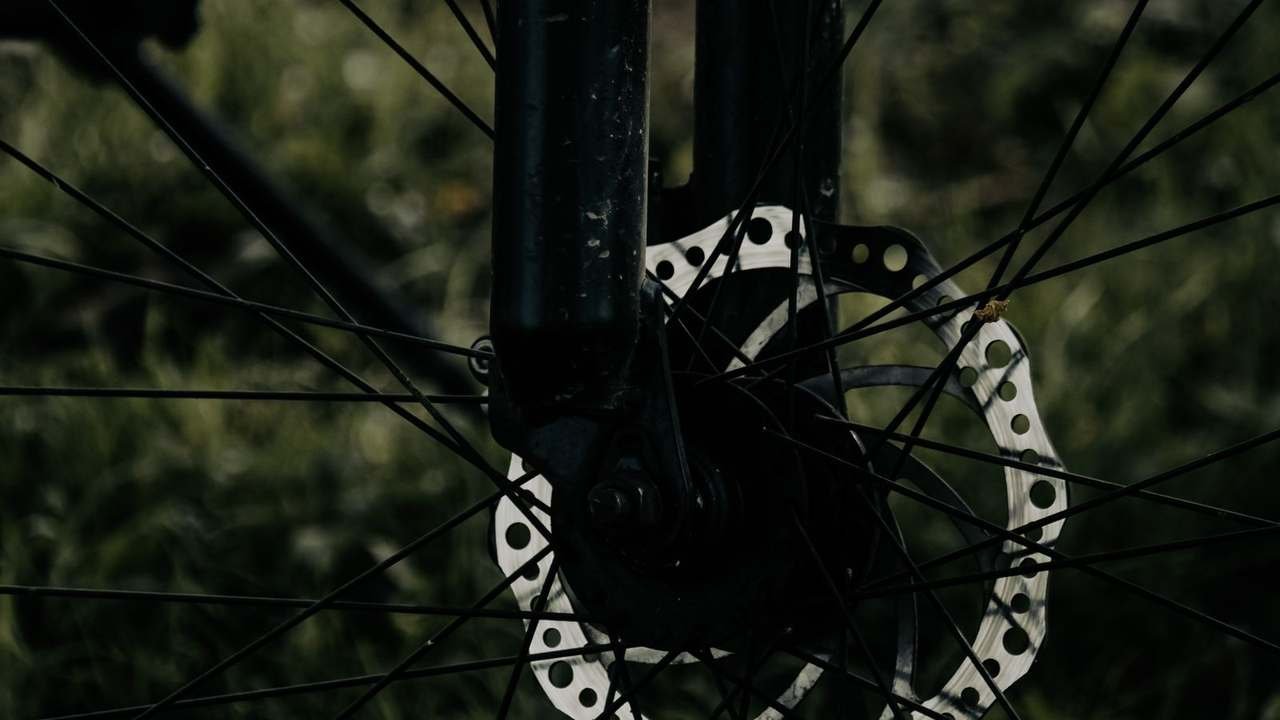
The two-piece CenterLine is the upgrade rotor, with about 182 ratings averaging 4.7 stars at $55.10. It combines an aluminum carrier with a stainless steel braking surface for durability and noise reduction per the listing, ships with titanium bolts per the listing, and is compatible with all pad compounds per the listing. The aluminum carrier sheds heat faster than a one-piece steel rotor, which matters on long descents where heat means fade and howl. It costs real money for a rotor, but for heavier riders, e-bikes, and mountain terrain, the fade resistance earns it.
Pros: Two-piece aluminum and steel construction; runs cooler on descents; titanium bolts included; all pad compounds.
Cons: Double the price of one-piece; 182-rating base is modest; 6-bolt only.
Who it’s for: Heavy riders, e-bikes, and steep terrain.
5. SRAM CenterLine 180mm 6-Bolt Rotor – Best Big-Rotor Option
This 180mm CenterLine is the simple stopping-power upgrade, with about 4 ratings averaging 3.9 stars at $53.00, and we flag that the rating base is tiny and the average lower than its siblings, so the proof leans on the CenterLine name. It is the same one-piece steel design with UCI-compliant rounded edges per the listing, ISO 6-bolt mounting per the listing, and all-pad-compound compatibility per the listing, upsized to 180mm for roughly 15% more leverage over a 160mm rotor. Check your frame and fork maximum rotor size before ordering, and budget for a post-mount adapter. For bigger riders and loaded tourers, more rotor is the cheapest brake upgrade there is.
Pros: Real power gain over 160mm; proven CenterLine design; all pad compounds; easy wheel installs.
Cons: Tiny 4-rating base, flagged; may need an adapter; check frame clearance.
Who it’s for: Bigger riders and loaded bikes.
6. Galfer Wave CL Rotor – Best Premium
The Galfer Wave is the boutique option, with about 43 ratings averaging 4.6 stars at $78.98 in the 180mm CenterLock version. The Wave design keeps brakes extremely cool in demanding conditions per the listing, and Galfer’s laser-cut stainless track is the brand’s signature across moto and MTB. The scalloped outer edge sheds mud and saves a few grams while looking like nothing else on the trail. It is CenterLock, so it needs a CenterLock hub or a lockring setup, and the price is firmly premium. For riders who want the coolest-running, sharpest-looking rotor and already run CenterLock hubs, this is the indulgence that performs.
Pros: Wave cooling design; distinctive looks; trusted Galfer brand; mud-shedding edge.
Cons: Premium price; CenterLock only on this listing; small 43-rating base.
Who it’s for: CenterLock hub owners wanting premium.
How We Chose the Best Bike Rotors
We started with disc rotors sold on Amazon US with a live price and an active offer today, and dropped listings with no featured offer, including Shimano’s RT70 and RT54 CenterLock models and Tektro’s TR160. Two picks are one-piece SRAM CenterLine rotors at different sizes because size choice drives braking power, spelled out in each review. The SRAM 180mm and Galfer Wave have small rating bases, flagged in their reviews. We compared size, mount type, construction, and owner ratings. Heat and noise claims are the listings’ claims.
Related guide: our brake bleed kits guide.
FAQ
What size rotor should I run?
Match your frame and fork limits first: most trail forks allow 180 to 203mm maximum, road and gravel frames often cap at 160mm, and many XC frames max out at 180mm rear. Within those limits, bigger rotors give more leverage and better heat capacity. A common trail setup is 180mm front and 160mm rear; heavier riders and e-bikes benefit from 180 or 203mm front. Upsizing usually needs a cheap post-mount adapter.
What is the difference between 6-bolt and CenterLock?
They are the two hub interfaces. 6-bolt rotors attach with six small Torx bolts and fit nearly every hub. CenterLock is Shimano’s splined interface secured by one lockring, faster to install and slightly lighter, but it needs a CenterLock-compatible hub. Rotors are not cross-compatible without adapters, so check your hubs before ordering.
When should I replace a brake rotor?
Replace it when it measures under the minimum thickness stamped on the arm, usually 1.5mm, when it is warped enough that truing no longer holds, when the braking track is deeply scored, or when it is contaminated badly enough that cleaning and sanding no longer stop the squeal. Many riders replace rotors with every second or third set of pads.
Why do my brakes squeal even with new pads?
The usual suspects are a glazed rotor surface, oil contamination, or misaligned calipers. Sand the rotor with 120-grit paper, clean it with isopropyl alcohol, realign the caliper, and re-bed the pads with ten firm stops from moderate speed. If the squeal survives that, the rotor is likely contaminated through and replacement is the reliable fix.
Are more expensive rotors worth it?
Up to a point. The jump from generic to Shimano RT56 or SRAM CenterLine is huge: truer, quieter, longer-lasting. The jump to two-piece designs buys real heat capacity for long descents and heavy bikes. Beyond that, premium rotors mostly buy grams, looks, and marginal cooling. Match the spend to your terrain: flatland commuters gain little from a $79 rotor.
Affiliate disclosure: As an Amazon Associate, we earn from qualifying purchases made through links in this article. This doesn’t affect the price you pay, and it helps us keep producing free, independent bike guides.