
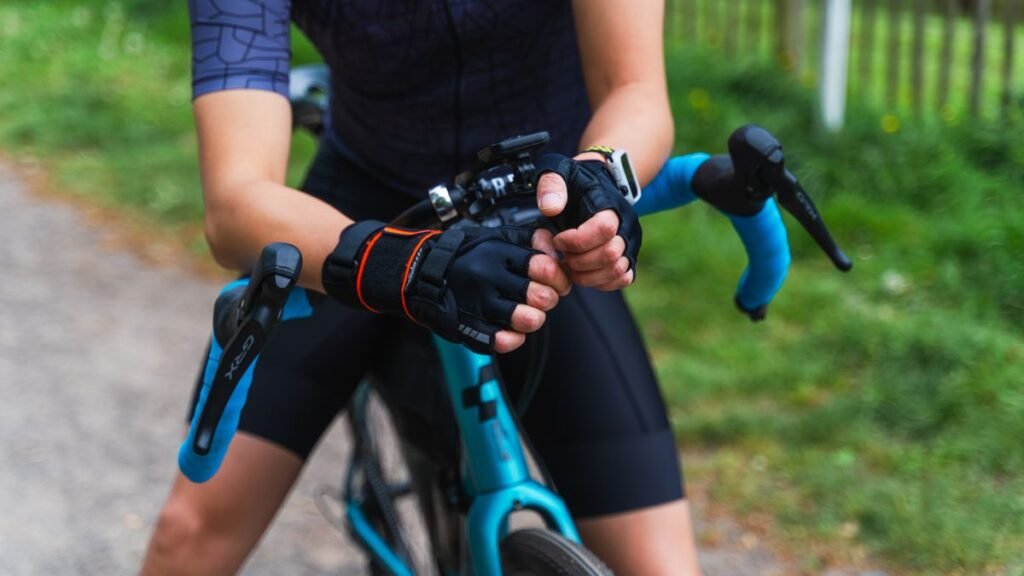
Quick answer: Our top pick in this guide to the best cycling gloves (2026) is the Pearl Izumi Elite Gel at about $35 (best overall). The runner-up is the Giro Jag at about $25. The table below compares all picks by price and who each is best for.
The best cycling gloves fix the two things every rider eventually meets: numb hands on long rides and road rash on short falls. Padding in the right place, a fit that disappears, and fabric matched to the season matter more than logos. We compared the best-selling cycling gloves on Amazon US in 2026 and picked six worth wearing, from a $20 winter budget pick to Pearl Izumi’s proven gel.
Disclosure: This guide contains affiliate links. If you buy through them, we may earn a small commission at no extra cost to you.
Gloves are season gear: summer riders want fingerless gel, winter riders want windproof full fingers, and MTB riders want knuckle coverage. Pair any of these with the right shorts from our cycling shorts guide and a helmet from our helmet picks, all in our accessories category.
Related guide: group ride etiquette for beginners.
Related guide: bike fit basics.
Related guide: cycling clothing basics.
Quick Picks: The Best Cycling Gloves
| Gloves | Style | Padding | Season | Typical price | Best for |
|---|---|---|---|---|---|
| Pearl Izumi Elite Gel | Fingerless | Gel, 1:1 palm | Spring to fall | ~$35 | Best overall |
| Giro Jag | Fingerless | EVA foam | Summer | ~$25 | Best value road |
| Fox Dirtpaw | Full finger | Padded palm | Three-season | ~$25 | Best MTB |
| Pearl Izumi Cyclone | Full finger | Gel, windproof | Winter | ~$45 | Best winter |
| Souke Winter | Full finger | Foam, windproof | Winter | ~$25 | Best budget winter |
| MOREOK Thinsulate | Full finger | 3M Thinsulate | Deep winter | ~$20 | Best deep cold |

The 6 Best Cycling Gloves, Reviewed
1. Pearl Izumi Elite Gel: Best Overall
- Style: fingerless, hook-and-loop closure
- Padding: 1:1 gel palm, anatomic placement
- Back: four-way stretch mesh
- Extras: soft thumb wipe, pull tabs
The Elite Gel is the glove against which summer gloves are judged: gel pads exactly under the ulnar nerve where numbness starts, a mesh back that breathes in July, and stitching that survives a season of weekly washes. It fits close without bunching, which is what keeps blisters away.
Pros: benchmark padding placement, durable, true sizing. Cons: costs more than store brands, and the white color options show grime.
2. Giro Jag: Best Value Road
- Style: fingerless, slip-on with tab
- Padding: EVA foam, three-panel palm
- Back: moisture-wicking stretch
- Sizes: S to XXL
The Jag is Giro’s entry glove and the one half of every group ride wears: simple foam padding, a comfortable palm, and a price that invites buying two pairs. It runs slightly small, so size up if between sizes.
Pros: trusted brand at $25, breathable, huge size run. Cons: foam compresses faster than gel, and the pull tab can fray after a season.
3. Fox Dirtpaw: Best MTB
- Style: full finger, knuckle protection
- Palm: padded, silicone gripper print
- Back: stretch with armored knuckles
- Extras: touchscreen-compatible fingertips
The Dirtpaw is the default mountain bike glove for a reason: full-finger coverage for brush and falls, a palm that grips wet levers, and knuckle armor that laughs at trail branches. It runs warm, which is exactly right for three-season trail riding.
Pros: real protection, great lever grip, tough. Cons: too warm for summer road rides, and sizing runs snug.
4. Pearl Izumi Cyclone: Best Winter
- Style: full finger, windproof softshell
- Padding: gel palm, thin for bar feel
- Cuff: long, fits under jacket sleeves
- Extras: touchscreen compatible, reflective print
The Cyclone nails the winter balance: a windproof back that blocks the chill that matters, a palm thin enough to feel the bars, and a cuff long enough to seal the jacket gap. For rides from freezing to about 45 degrees, it is the glove we reach for first.
Pros: warm without bulk, excellent bar feel, quality build. Cons: below freezing it wants a liner, and the price is the highest here.
5. Souke Winter: Best Budget Winter
- Style: full finger, windproof and water-resistant
- Lining: fleece thermal
- Extras: touchscreen fingers, anti-slip palm
- Sizes: unisex S to XXL
Souke’s winter glove delivers the essentials for half the price of the big brands: windproof shell, fleece lining, and fingertips that work a phone. It is not as refined as the Cyclone, but for commuting and weekend rides above freezing, it is remarkable value.
Pros: warm, cheap, phone-friendly. Cons: stitching and fit are less refined, and waterproofing is splash-level only.
6. MOREOK Thinsulate: Best Deep Cold
- Style: full finger, insulated
- Insulation: 3M Thinsulate, rated to about -10F claimed
- Shell: windproof with anti-slip palm
- Extras: touchscreen compatible
When the temperature drops properly, the MOREOK is the $20 answer: real 3M Thinsulate insulation in a cycling-cut glove. It is bulkier than cycling-specific gloves, so shifting feel suffers slightly, but frozen fingers shift nothing at all.
Pros: genuine deep-cold warmth, unbeatable price, grippy palm. Cons: bulky fingers reduce dexterity, and it is overkill above 35 degrees.
Sizing and Fit: The Part Everyone Skips
Glove sizing is the most-returned category in cycling gear, so measure first. Wrap a tape around your dominant hand at the knuckles, thumb excluded, and match the maker’s chart in inches or centimeters; the charts vary by brand more than by gender. The glove should fit like a second skin with no palm bunching, because loose fabric is what actually causes blisters. Fingerless gloves should end mid-finger without riding up. Between sizes, road gloves size up for comfort, MTB gloves size down for control. Wash them cold and hang dry; the dryer kills the gel and the grippers. And if hand numbness persists in good gloves, the real fix is bar position or a saddle from our saddle guide, not thicker padding.
Summer, Winter, and the Shoulder Seasons
Temperature planning beats brand loyalty in this category. From about 60 degrees up, fingerless gloves rule: maximum breathability, easy phone use, and padding where it counts. Between 45 and 60, a thin full-finger glove like the Dirtpaw covers wind chill without sweat. Below 45, windproof backs become mandatory, since moving air strips heat faster than still cold; the Cyclone and Souke live here. Below freezing, insulation is the only answer, and the MOREOK’s Thinsulate earns its bulk. Rain changes everything: no glove here is truly waterproof, so wet winter riders should carry a spare pair in a bag, because a dry swap at halfway feels like new hands. Heated gloves exist for deep winter, but their batteries add cost and weight that most riders only need a few weeks a year. Start with the two pairs that cover your actual riding months, then expand as the calendar demands.
Crash Duty: The Other Job of Gloves
Every cyclist eventually puts a hand down, and skin versus asphalt is a one-sided contest. The palm of a cycling glove is sacrificial by design: tough synthetic leather that slides instead of gripping, so your hand skims the pavement instead of sticking and twisting. This is why fingerless gloves still matter on hot days, and why riding barehanded to the store is the risk most experienced riders quietly stopped taking. After any crash, inspect the palms: torn gloves did their job and earned retirement. Replace them before the next ride, and consider it the cheapest insurance payment in the sport.
Care and Rotation
Gloves live hard lives: sweat, sunscreen, bar tape dye, and weekly washes. Rotate two pairs so elastic recovers, close the wrist strap before washing so hook-and-loop does not eat the mesh, and skip fabric softener, which kills the gripper prints. A pair that smells after washing needs a vinegar soak, not the trash.
How We Chose the Best Cycling Gloves
We compared the best-selling and best-reviewed cycling gloves on Amazon US in 2026, then filtered for what makes gloves worth wearing: padding placed where hands actually go numb, breathable backs, durable stitching, and honest sizing charts. Pearl Izumi and Giro own the road tier, Fox owns MTB, and Souke and MOREOK cover winter value honestly. Prices are list prices at research time and drop often during sales.
Related guide: our handlebar mitts guide.
FAQ: Best Cycling Gloves
Fingerless or full finger?
Fingerless for warm-weather road riding, full finger for mountain biking and anything below about 60 degrees. Most riders end up owning one of each.
Do gel gloves stop hand numbness?
They help a lot by supporting the heel of the hand, but numbness that persists usually means too much weight on the bars. Check saddle position and bar height too.
How long do cycling gloves last?
One to two seasons of regular riding. Retire them when the padding packs flat or the palm goes smooth.
Can I use gym or work gloves?
You can, but cycling gloves put padding where bars create pressure, not where dumbbells do. The difference shows up around mile 20.
The Bottom Line
The best cycling gloves disappear until the day they save your palms. Buy the Pearl Izumi Elite Gel for three-season road riding, the Fox Dirtpaw for the trails, or the MOREOK to beat deep winter for $20. Then ride long enough to need the wash instructions.