
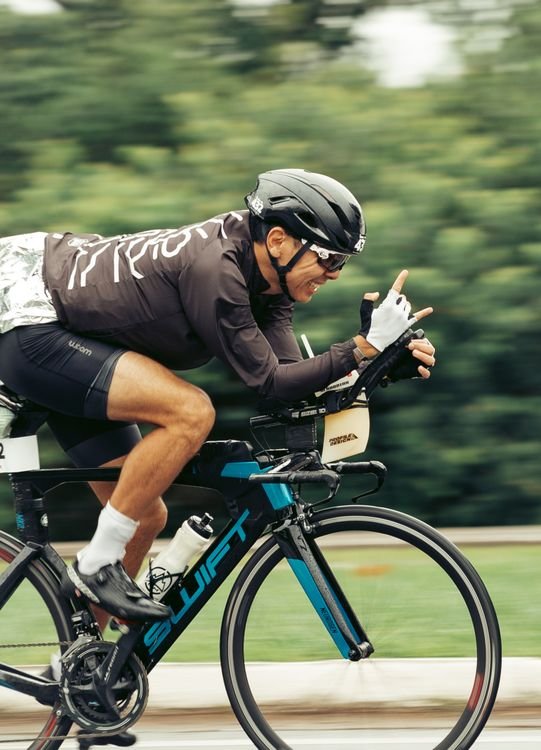
Quick answer: Our top pick in this guide to the best road bikes under $1,000 is the Tommaso Imola at about $850 (best overall). The runner-up is the Tommaso Forcella at about $700. The table below compares all picks by price and who each is best for.
The best road bikes under 1000 dollars have never been better. This price tier now buys aluminum frames, carbon forks, and Shimano Claris drivetrains that shift like bikes costing twice as much did a decade ago. We compared every current-production road bike sold on Amazon US in this range and picked six that are worth your money, from a $300 starter to the $850 class leader.
Disclosure: This guide contains affiliate links. If you buy through them, we may earn a small commission at no extra cost to you.
Every bike here ships 80 to 90 percent assembled and fits riders from about 5’4″ to 6’2″ across its size range. If you decide drop bars are not for you, our best mountain bikes under $1,000 and best electric bikes under $1,000 guides cover the alternatives, and more picks live in our road bikes category.
Related guide: bike frame size chart.
Related guide: group ride etiquette for beginners.
Related guide: how to start cycling for beginners.
Related guide: commuter bike vs road bike.
Quick Picks: Best Road Bikes Under $1,000
| Bike | Frame | Gearing | Fork | Typical price | Best for |
|---|---|---|---|---|---|
| Tommaso Imola | Aluminum | 24-speed Shimano Claris | Aluminum | ~$850 | Best overall |
| Tommaso Forcella | Aluminum | 24-speed Shimano Claris | Carbon | ~$700 | Best mid-range |
| Schwinn Phocus 1600 | Aluminum | 16-speed | Carbon | ~$500 | Best under $500 |
| Giordano Libero 1.6 | Aluminum | 16-speed Shimano STI | Steel | ~$500 | Best value pick |
| Vilano Shadow 3.0 | Aluminum | 14-speed STI | Steel | ~$350 | Best entry level |
| Hiland 700C | Aluminum | 14-speed | Steel | ~$300 | Tightest budget |
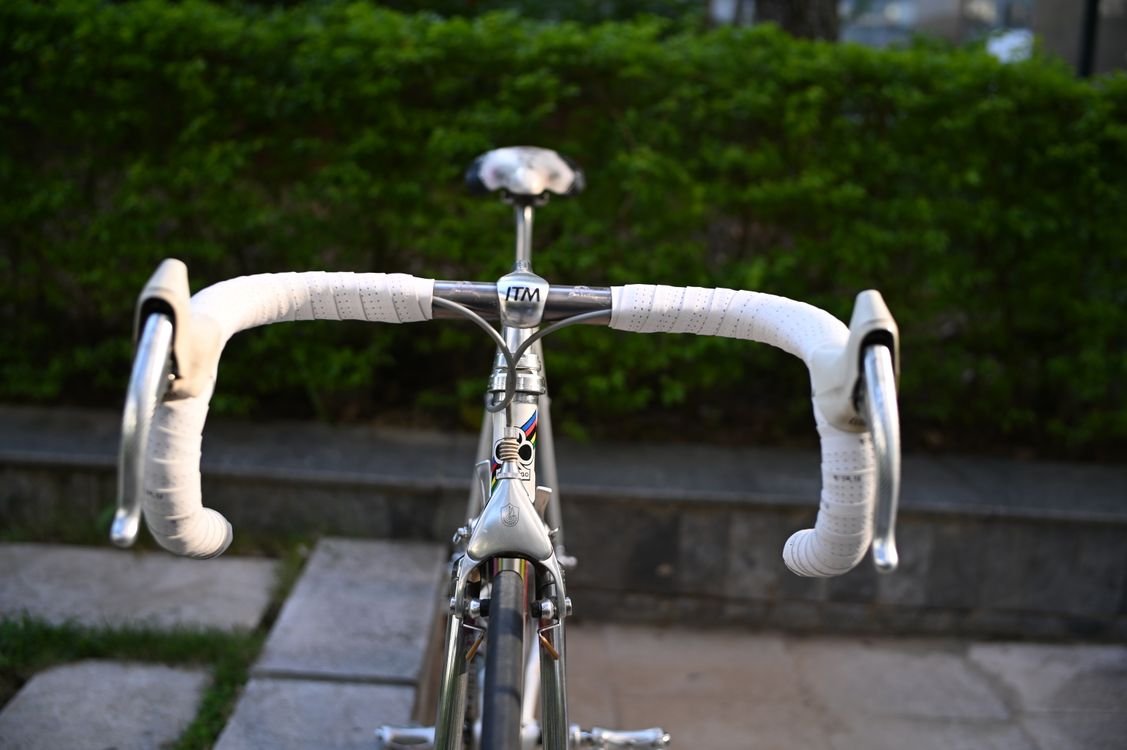
The 6 Best Road Bikes Under 1000 Dollars, Reviewed
1. Tommaso Imola: Best Overall
- Frame: 6061 aluminum in six sizes, XS to XXL
- Drivetrain: Shimano Claris 24-speed, 3×8
- Wheels: 700c with 25mm road tires
- Brakes: dual-pivot caliper
- Weight: ~24 lbs
The Imola is the benchmark of the sub-$1,000 class: a full Shimano Claris groupset, a frame light enough to race on, and six sizes that fit riders from about 5’2″ to 6’5″. It is the only bike here you could line up for a local crit on without excuses, and Tommaso’s US-based support and frame warranty back it up.
Pros: the best groupset and frame in this roundup; six real sizes; upgrade-worthy frame you will not outgrow. Cons: the top of the budget; aluminum fork rides firmer than the carbon forks below; stock pedals are placeholders.
2. Tommaso Forcella: Best Mid-Range
- Frame: 6061 aluminum
- Drivetrain: Shimano Claris 24-speed, 3×8
- Fork: carbon fiber
- Wheels: 700c
- Weight: ~25 lbs
The Forcella pairs the same Claris 24-speed drivetrain as the Imola with a carbon fork, which takes the sting out of rough chip-seal roads. At around $700 it sits in the sweet spot: nearly all the Imola’s performance with a more forgiving front end.
Pros: carbon fork comfort at a mid-range price; full Claris groupset; proven Tommaso platform. Cons: one frame platform fits fewer very tall or short riders than the Imola’s six sizes; the stock saddle is firm; assembly is more involved than the pre-tuned Schwinn.
3. Schwinn Phocus 1600: Best Under $500
- Frame: aluminum road frame
- Drivetrain: 16-speed with integrated shifters
- Fork: carbon fiber
- Wheels: 700c double-wall rims
- Brakes: caliper
A carbon fork on a $500 bike is rare, and the Phocus 1600 delivers it with Schwinn’s dealer network, warranty, and parts support behind it. The 16-speed drivetrain covers every gear a new road rider needs, and the bike arrives better adjusted out of the box than most mail-order rivals.
Pros: carbon fork at the lowest price here; the easiest ownership experience in this roundup; widely available parts. Cons: 16 speeds versus 24 on the Tommasos; the integrated shifters are a house-brand unit rather than Shimano STI; slightly heavier wheels.
4. Giordano Libero 1.6: Best Value Pick
- Frame: 6061 aluminum
- Drivetrain: Shimano 16-speed STI
- Wheels: 700c
- Brakes: caliper
- Weight: ~26 lbs
The Libero 1.6 has been the default first road bike for a decade, and it earns that spot: real Shimano STI integrated shifters at around $500, a light aluminum frame, and geometry that flatters new riders. Owner reviews run into the thousands, and the reliability pattern is solid.
Pros: genuine Shimano STI shifters at this price; a huge, proven owner base; comfortable endurance geometry. Cons: the steel fork adds weight up front; 16 speeds only; the finish and decals show its price up close.
5. Vilano Shadow 3.0: Best Entry Level
- Frame: 6061 aluminum
- Drivetrain: 14-speed with integrated STI-style shifters
- Wheels: 700c double-wall rims
- Brakes: caliper
- Weight: ~27 lbs
The Shadow 3.0 is the cheapest way to get integrated shifters, where the brake lever and shift lever are one unit like on expensive bikes. That single feature transforms the riding experience versus thumb shifters on the downtube, and at around $350 nothing else offers it.
Pros: integrated shifters at the lowest price anywhere; light for the money; a huge review base. Cons: 14 speeds with narrower range for hills; the shifters are not Shimano and feel it; plan on a professional tune to get the drivetrain dialled.
6. Hiland 700C: Tightest Budget
- Frame: aluminum in 49, 53, and 57cm
- Drivetrain: 14-speed
- Wheels: 700c
- Brakes: dual caliper
- Assembly: 85% pre-assembled
The Hiland 700C is the floor of what we would recommend: a real aluminum road frame in three sizes, dual caliper brakes, and a 14-speed drivetrain for around $300. It rides far better than any department-store “road bike” and leaves budget for a helmet, lights, and a shop tune.
Pros: the lowest price here; three frame sizes; mostly pre-assembled. Cons: thumb or stem shifters rather than integrated levers; the heaviest bike in this roundup; basic contact points you will want to upgrade.
Claris, STI, and Carbon: the Three Specs That Matter
Three specs separate these six bikes more than any marketing copy. Shifters first: integrated STI-style levers, where you shift from the brake hood, are the single biggest quality-of-life feature on a road bike, and the Imola, Forcella, Libero, and Shadow all have them. Groupset second: a full Shimano Claris drivetrain shifts cleanly for years with basic care, while house-brand copies need more adjustment. Fork third: a carbon fork removes several ounces and a lot of road buzz, and the Forcella and Phocus deliver one at $700 and $500. When two bikes look identical on paper, compare those three specs in that order.
How We Chose the Best Road Bikes Under 1000 Dollars
We looked at every current-production drop-bar road bike sold on Amazon US between $300 and $1,000 with a meaningful base of owner reviews, then scored frame material, fork, drivetrain brand and speeds, size range, weight, and real owner reliability reports. Bikes with full Shimano groupsets and carbon forks scored highest; we cut anything with chronic quality complaints in recent reviews. Prices are typical Amazon list prices at research time and move with sales.
What to Expect at This Price
Under $1,000 you are buying an aluminum frame with an aluminum, steel, or carbon fork and a 14 to 24-speed drivetrain. The single biggest upgrade between $300 and $850 is the shifters: integrated STI-style levers are worth real money. Carbon forks appear around $500. Disc brakes and 1x drivetrains mostly live above this budget; if they are must-haves, our mountain bike picks deliver them sooner.
Related guides: road bikes under $2,000, women’s road bikes.
Frequently Asked Questions
Are the best road bikes under 1000 dollars fast enough for group rides?
Yes. The Tommaso Imola and Forcella hang fine in casual and intermediate group rides. Rider fitness matters far more than the bike at this level, and both frames are worth upgrading wheels and tires on as you progress.
What size road bike do I need?
Start with the maker’s size chart and your inseam. Between sizes, most new riders should size down for easier handling. The Imola’s six sizes make it the safest fit here; a $50 shop fitting is money well spent on any of them.
Do these bikes come assembled?
All six arrive 80 to 90 percent assembled. You install the front wheel, handlebar, seatpost, and pedals, then adjust brakes and gears. A $75 professional tune is strongly recommended, especially on the cheaper bikes where factory adjustment is rough.
Should I buy a road bike or a hybrid under $1,000?
Buy a road bike if speed and distance on pavement are the goal. Buy a hybrid or flat-bar bike if you want upright comfort for commuting and paths. The drop bar takes a week to learn and pays off on every ride over ten miles.
Can I commute on one of these bikes?
Yes, and many owners do. Add lights, a rear rack where the frame allows, and 28mm tires if your roads are rough. The Phocus and Libero are the most commute-friendly here thanks to their relaxed geometry and easy gearing.
How long will a sub-$1,000 road bike last?
The frame will outlast your interest in it. Plan on wear-part replacements: tires every 2,000 to 3,000 miles, chain every 2,500, brake pads a few times a year, and bar tape annually. With that basic care, these bikes routinely give a decade of weekend riding, and the Imola and Forcella frames deserve component upgrades as parts wear out.
The Bottom Line
The Tommaso Imola is the best road bike under 1000 dollars for most riders: a real Claris groupset, six sizes, and a frame worth upgrading. On a tighter budget, the Schwinn Phocus 1600’s carbon fork and dealer support are unbeatable at $500, and the Vilano Shadow 3.0 gets you integrated shifters for $350. Add a helmet from our accessories picks and go ride.